

U Faculty-Led: Global Public Health in the Himalayas
|
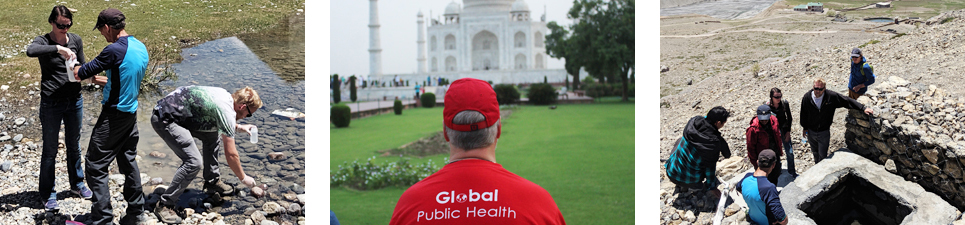
The U Faculty-Led: Global Public Health in the Himalayas Learning Abroad Program is a 3-week faculty-led summer learning program based in Kaza and Spiti Valley, India. Like other regions of India, Himalayan communities face disease, poverty, and other pressing social issues. In Kaza, India, students will work on field projects related to geosciences, public health, maternal and child health, dentistry, optometry, ophthalmology, engineering, and business, aimed at improving health and fostering sustainable development through entrepreneurship and livelihood creation. The group will team with local communities, key contacts, and community development partners to establish and assess ongoing activities in the region. Students will observe, interact, and work directly with community leaders and our partners, Ecosphere (a social enterprise NGO) and MUSE Initiatives, to understand and improve the overall health of the Himalayan people. |
||
|
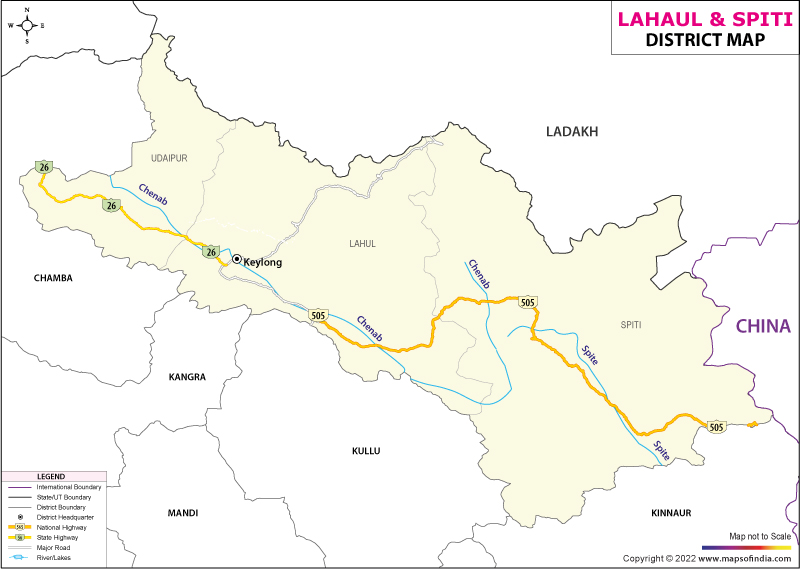 |
Kaza, Himachal Pradesh, India, sits at 12,500 feet above sea level in the Lahaul and Spiti valleys of the mighty Himalayas. Built on the banks of the Spiti River, it serves as the district’s administrative hub. Towering peaks surround it, offering a gorgeous vista of the Himalayas’ pristine natural beauty. Kaza is about 470 miles from New Delhi, India’s capital, and is accessible by road year-round. You will visit the world’s highest village connected by road and work and hike at 14,500 ft.
 Tejinder P. Singh, BDS, MDS, MPH Professor Division of Public Health Department of Family Medicine and Public Health |
View the online U Faculty-Led: Global Public Health in the Himalayas Program Itinerary and Budget.

Partners include academic, civil society, and village leaders and members in Kaza, India.
-
Ecosphere - Ecosphere is a reputable community-based social enterprise working in the Spiti region of the Himalayas. It focuses on sustainable rural development in the remotest parts of the Himalayas. Ecosphere undertakes a wide range of activities, including economic empowerment, development, and conservation, with a sharp focus on preserving the region’s fragile ecosystem. Key to this is engaging with the region’s inhabitants, who offer a rich heritage of traditional practices; Ecosphere is deeply invested in it.
More information can be found at:

Typically, projects are broadly related to research or service. Where possible, students will have the opportunity to review various projects to match their interests or skills to a particular activity. See below for examples of new, ongoing, and past research and activities:
-
Menstrual health management
-
Public health
-
Sustainable development
-
Women’s Health (Menstrual hygiene management: understanding current practices and self-help group participation at village level)
-
Water, Sanitation and Hygiene (water quality assessment)
-
Indoor Air Quality (among school-going children, youth, and adults in the communities)
-
Oral Health
-
Eye Health
-
Health Systems (Understanding the local Primary healthcare model, which is a mix of Western and traditional Tibetan medicine)
-
Rural Development
