
Maternal-Fetal Medicine Fellowship
Why Choose University of Utah for Your MFM Fellowship Training?
The MFM Fellowship stands out for its innovative training tracks that allow fellows to customize their experience.
Career Tracks
What Sets Us Apart
Our program offers outstanding research opportunities with nationally-recognized mentors in areas such as substance use disorders and placental complications. We also offer comprehensive clinical experience across two major health systems, with faculty expertise in the following specialties:
- Placenta accreta spectrum
- Stillbirth
- Growth restriction
- Hypertensive diseases
- Substance abuse in pregnancy
- And many more
Our MFM fellows graduate prepared for impactful careers advancing maternal-fetal health through their chosen path in academic medicine.
Fellowship Application Process 2024-25
The 2025 application cycle is now open. Match Day is on September 25th. Please refer to the Society of Maternal-Fetal Medicine website for the application process.
The 2025 application season runs from December to May 2025. Fellows chosen in 2025 will begin their fellowship July 2026.
- April 28, 2025: Application deadline
Please contact Meda at medalid.delcarpio@hsc.utah.edu for fellowship questions.
Interview Day
Our interviews will be held remotely using Zoom this year:
- July 17
- July 23
- July 29
Fellowship interviews will entail the following:
- Information about our program
- Virtual welcome to Salt Lake City
- Interviews with MFM faculty
We will arrange a happy hour the evening before the interview to allow time for our interviewees and current fellows to mingle.
Selection Criteria
We seek self-directed learners committed to academic careers who have an enthusiasm for research and the potential for a significant and sustained contribution to MFM through research, quality improvement, education, and/or advocacy.
Our fellows should be prepared to function independently for activities within the scope of a generalist OB/GYN.
Maternal-Fetal Medicine Fellowship Program
The University of Utah Maternal-Fetal Medicine (MFM) Fellowship offers our trainees a rich mix of hands-on clinical experience, quality investigative exposure, and vast range of skillsets:
- Managing complicated maternal conditions
- Genetics
- Ultrasound testing
- Advanced operatic obstetrics
- Complex antepartum care
- Patient counseling
- Invasive procedures, such as intrauterine blood transfusions
- Provide fellows with the tools and experience to achieve a successful career in academic medicine
- Up to 18 months of research time (12 months required by ABOG), to develop skills investigative skills
- Provide the option to pursue advanced degrees (Master of Science in Clinical Investigation)
- Strong research and career mentorship (each fellow is assigned a primary research mentor and clinical/career mentor upon arrival)
This is a fully accredited three-year fellowship program based in Salt Lake City, Utah. We accept two fellows each year. Most fellows hold a master of science in clinical investigation and graduate with multiple abstracts and published papers. The program is an administrative and clinical collaboration between University of Utah Health and Intermountain Health.
Fellowship Program Leaders
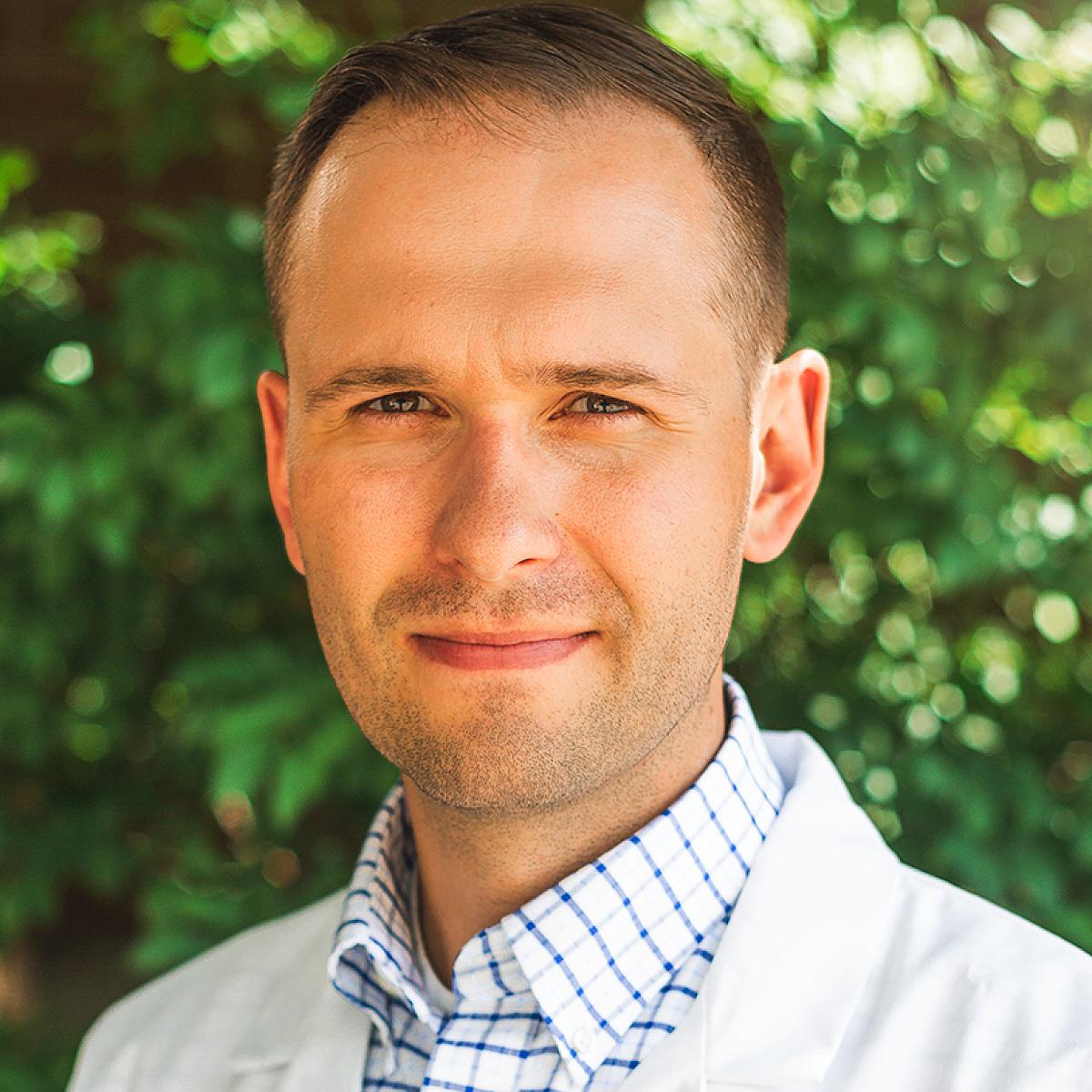

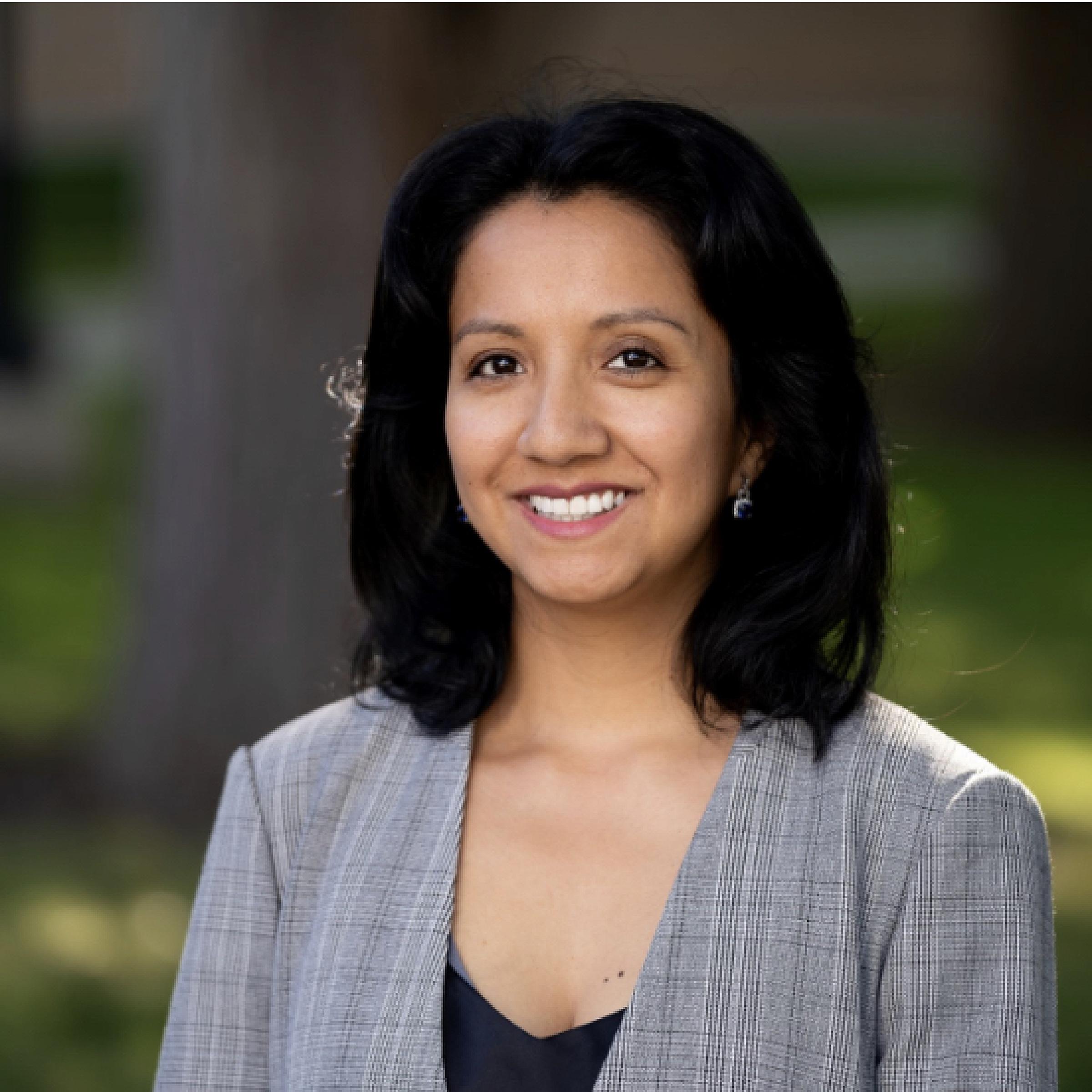
MFM Fellowship Executive Committee
The MFM Fellowship Executive Committee exists to make the fellowship the best it can be. The committee is comprised of eight MFM Faculty, which include the fellowship program director and associate program director. The committee’s main functions are the following:
- Provide support for MFM trainees
- Reviews fellowship applications
- Interviews prospective candidates
- Determines the fellowship rank list with input from key faculty and other fellows
The committee meets monthly to discuss fellowship program updates and proactively address areas for improvement in the fellowship.
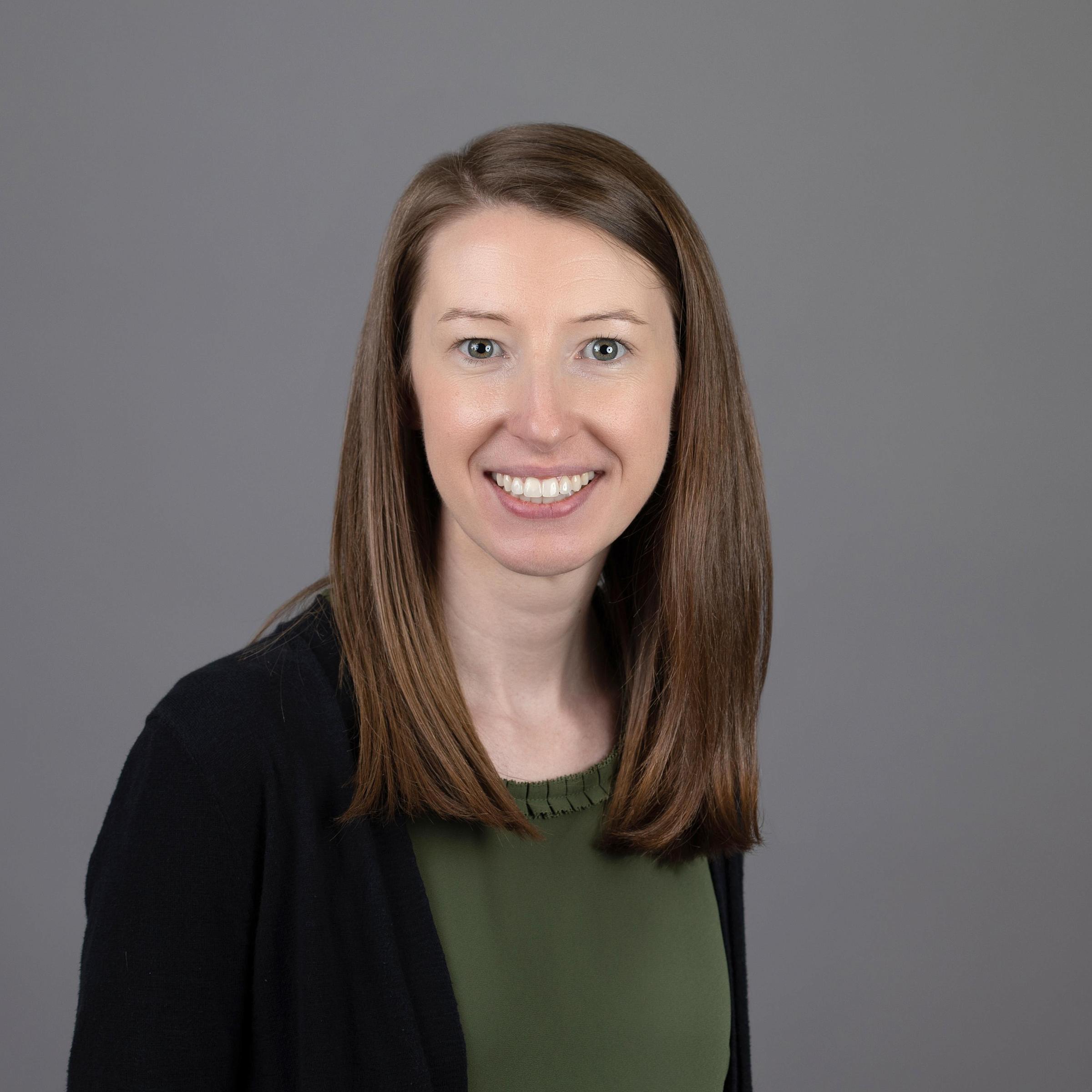
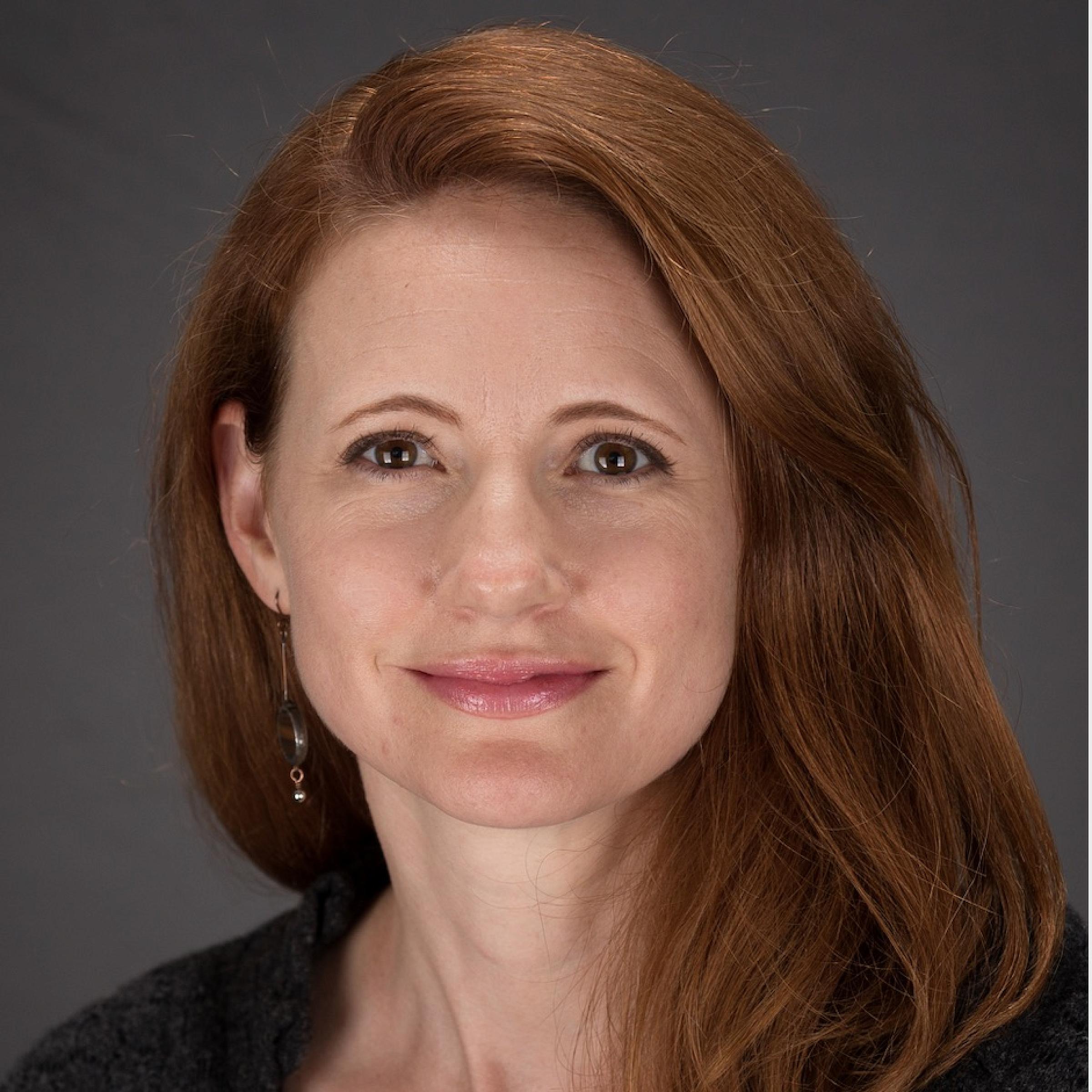
Fellowship Executive Committee Members





Utah MFM Fellowship Statement Regarding Dobbs vs. Jackson
Following the U.S. Supreme Court’s decision in Dobbs v. Jackson, the University of Utah MFM Fellowship program wishes to confirm its continuing commitment to counsel patients according to national guidelines and inform patients about all health care options, including abortion care.
We appreciate the statements and resources shared by so many influential leaders and societies, including the statement issued by the Society for Maternal Fetal Medicine. We will continue to listen, learn, and leverage our expertise to support the advancement of public policy fully informed by relevant data.
Our commitment to offering current and future fellows opportunities to provide and learn abortion care to enable them to best serve their patients and communities is unwavering.