
Current Lab Personnel
Director
Lab Staff
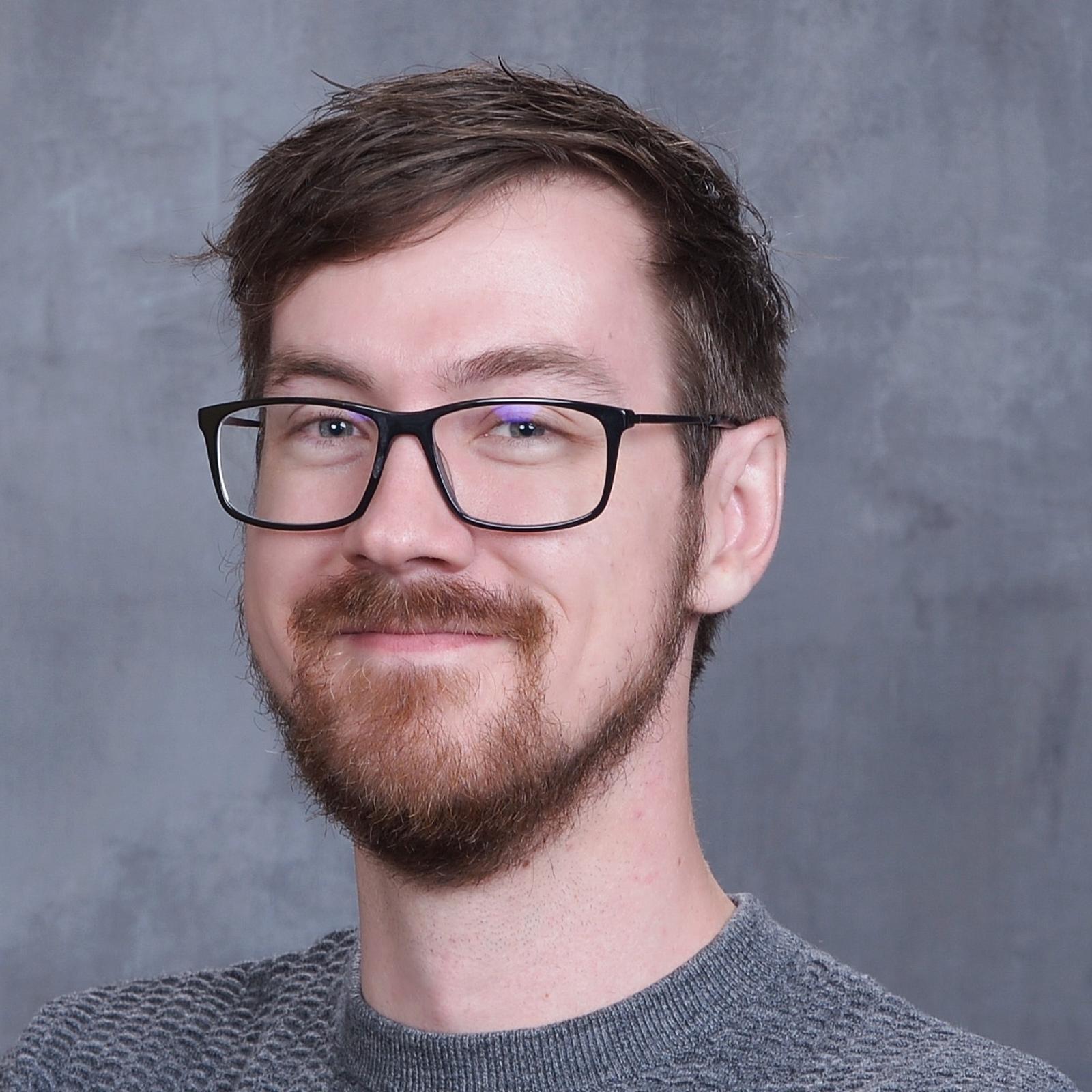
Rich has always been passionate about healthcare and engineering. Rich joined the Orthopaedic Research Lab in Spring of 2018 where he found an interest in ankle biomechanics. His work focuses on subtalar morphology and in-vivo function across surgically treated populations. Rich enjoys hiking and climbing with his partner and their puppy, attending metal shows, and spending time with his family and friends.
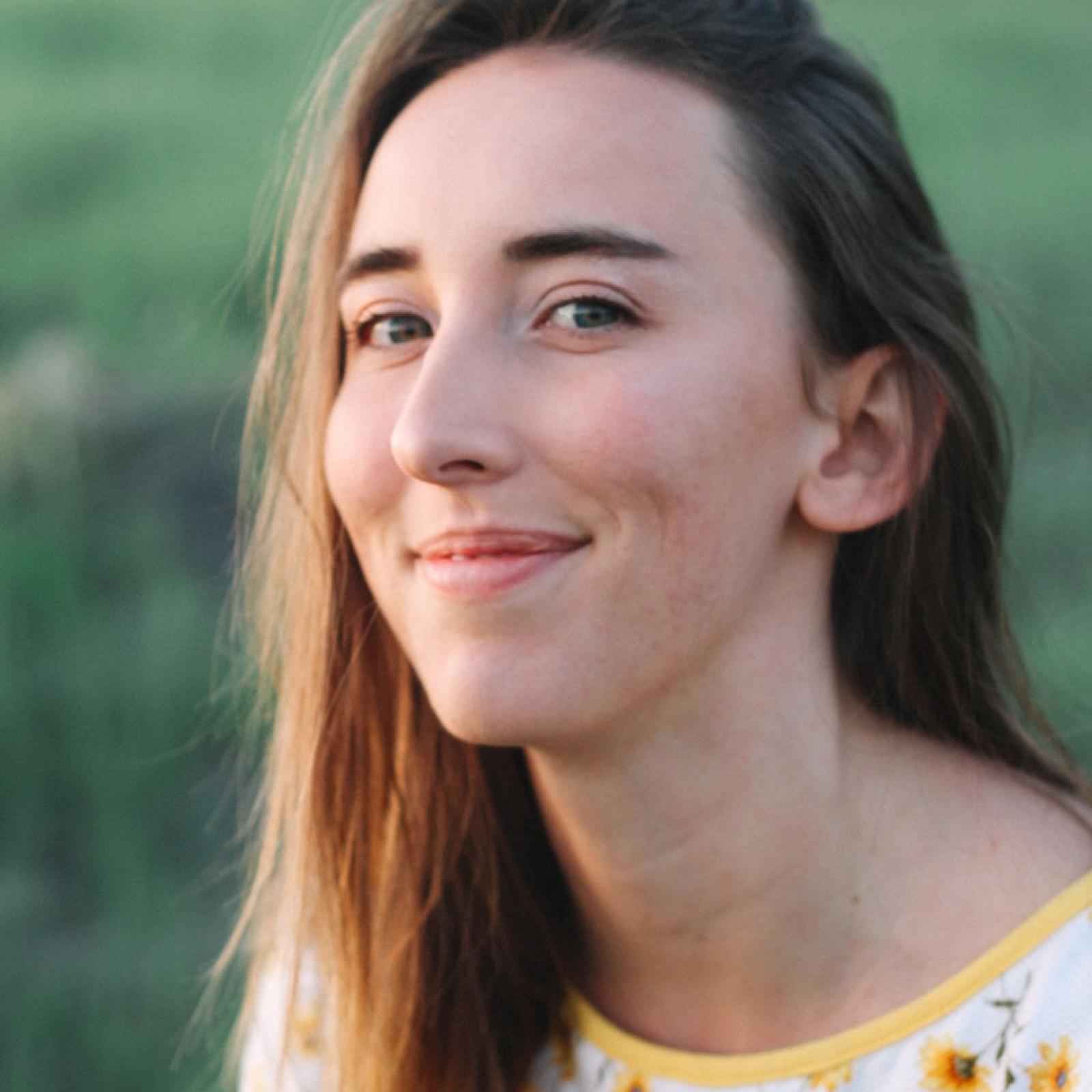
Lindsay joined the Anderson lab as an undergrad in 2017, happy to find herself immersed in an exciting mix of biomechanics, image processing, simulation and data analysis. She enjoyed the ample opportunities to dive deep into data, so much so that she completed a master’s thesis within the lab.
After graduating with a dual BS/MS in Bioengineering, Lindsay worked as a Simulation and Analysis Engineer for Sarcos, a local robotics company (May 2020-January 2024). There, she helped evaluate and optimize designs by simulating use case scenarios in bespoke computer models (Simulink/Simscape, MATLAB, MuJoCo, and AnyBody). In January 2024, Lindsay rejoined the Anderson Research group, ready to tackle familiar challenges from new angles.
Outside of lab, Lindsay enjoys crafting (so many projects, so little time!), hiking, backpacking, climbing, and reading.
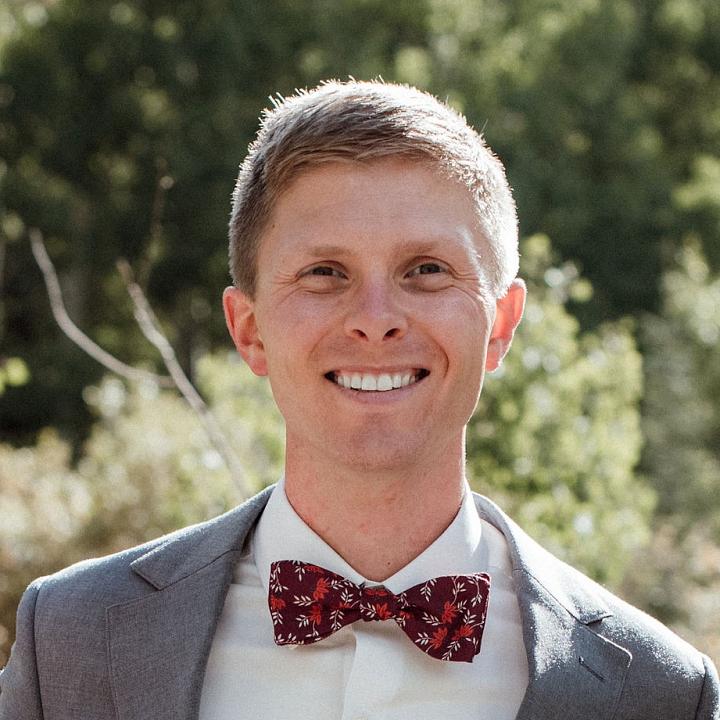
Jared joined the Orthopaedic Research Laboratories in 2020 where he works with the research groups of Drs. Heath Henninger and Andrew Anderson. Jared’s activities cover the range of research in the ORL and include supporting the research of undergraduate and graduate students, assisting human-subjects motion capture studies, conducting benchtop experiments, and developing tools for data processing and analysis. Before joining the ORL, Jared earned his Bachelor of Biomedical Engineering degree from the University of Minnesota, Twin Cities. As an undergraduate research assistant in Prof. Victor Barocas’ laboratory, he studied the mechanics of the intervertebral disc and facet capsular ligament of the lumbar spine. Also, during his time in Minnesota, Jared worked as a student technician for the Department of Biomedical Engineering’s Tissue Mechanics Laboratory. In 2014, he came to the University of Utah to pursue his PhD in Biomedical Engineering, under the mentorship of Prof. Jeff Weiss, investigating basic mechanisms of mechanical damage in tendons. Through interdisciplinary collaboration with groups at the U of Utah and MIT, Jared’s research employed a novel triple-helical peptide hybridization method to detect denatured collagens and identified mechanical unfolding of the collagen triple-helix as a fundamental mechanism of damage in tendons. In his free time, Jared enjoys exploring Utah’s mountains and deserts with his wife and dog and singing in a local community choir.
Graduate Students
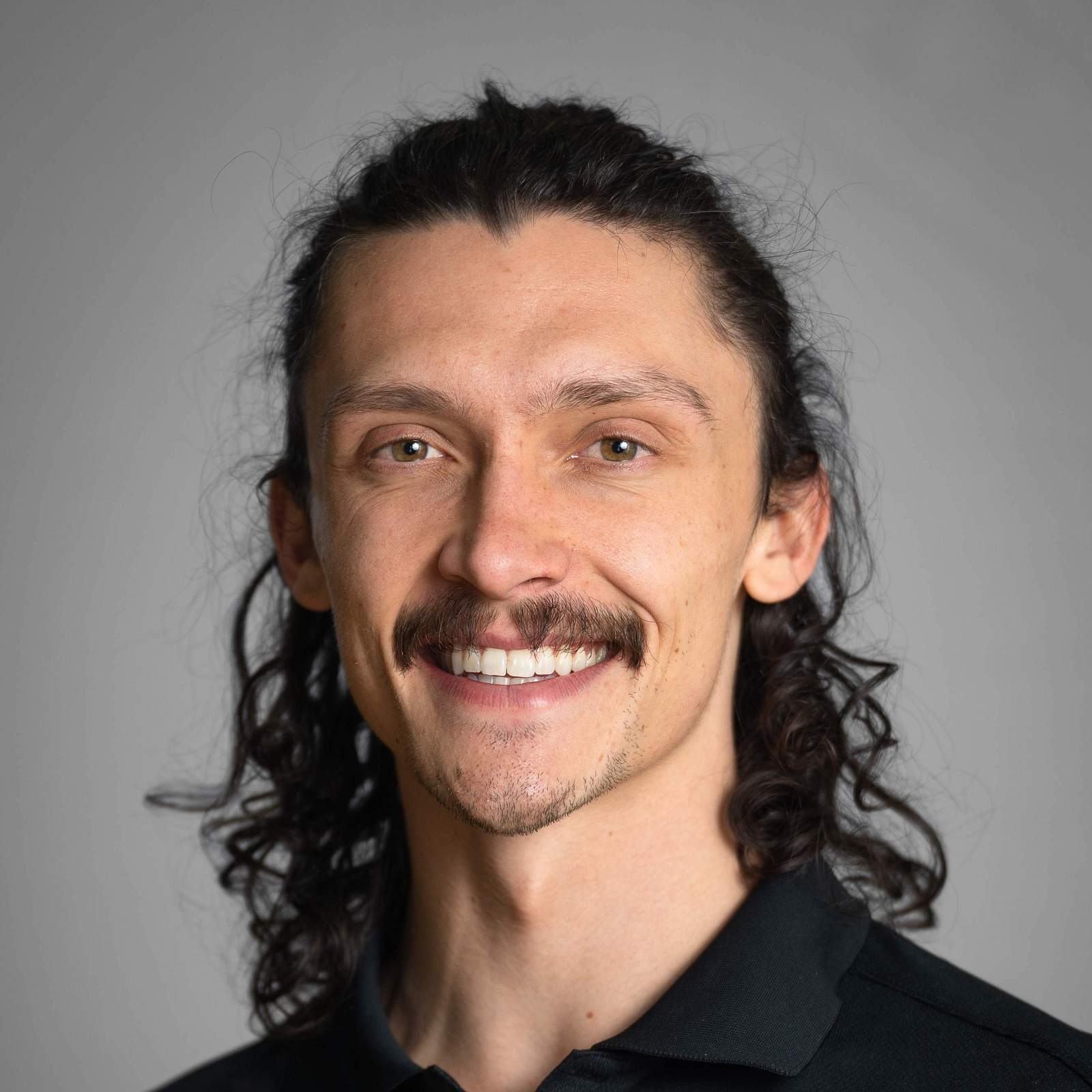
From a young age, Seth had an interest in engineering and science and a fascination with sports and movement. As his high school years ended, Seth was introduced to Biomechanics and was thrilled there was a field that applied science and engineering to better understand movement. Following this passion, he attended Purdue University – Indianapolis, just 30 minutes from the Indianapolis suburb he grew up in. There, Seth received a bachelor’s in biomedical engineering. After graduating, he moved to Salt Lake City, Utah, to pursue his PhD, also in Biomedical Engineering. His dissertation explores novel methodologies to improve understanding of the kinematics associated with femoroacetabular impingement syndrome using biplane radiography. His fascination with understanding movement is furthered outside of his research through hobbies including rock climbing and yoga. In the future, Seth hopes to continue investigating movement and its role in musculoskeletal disease (as well as climbing as many rocks as possible in his free time).
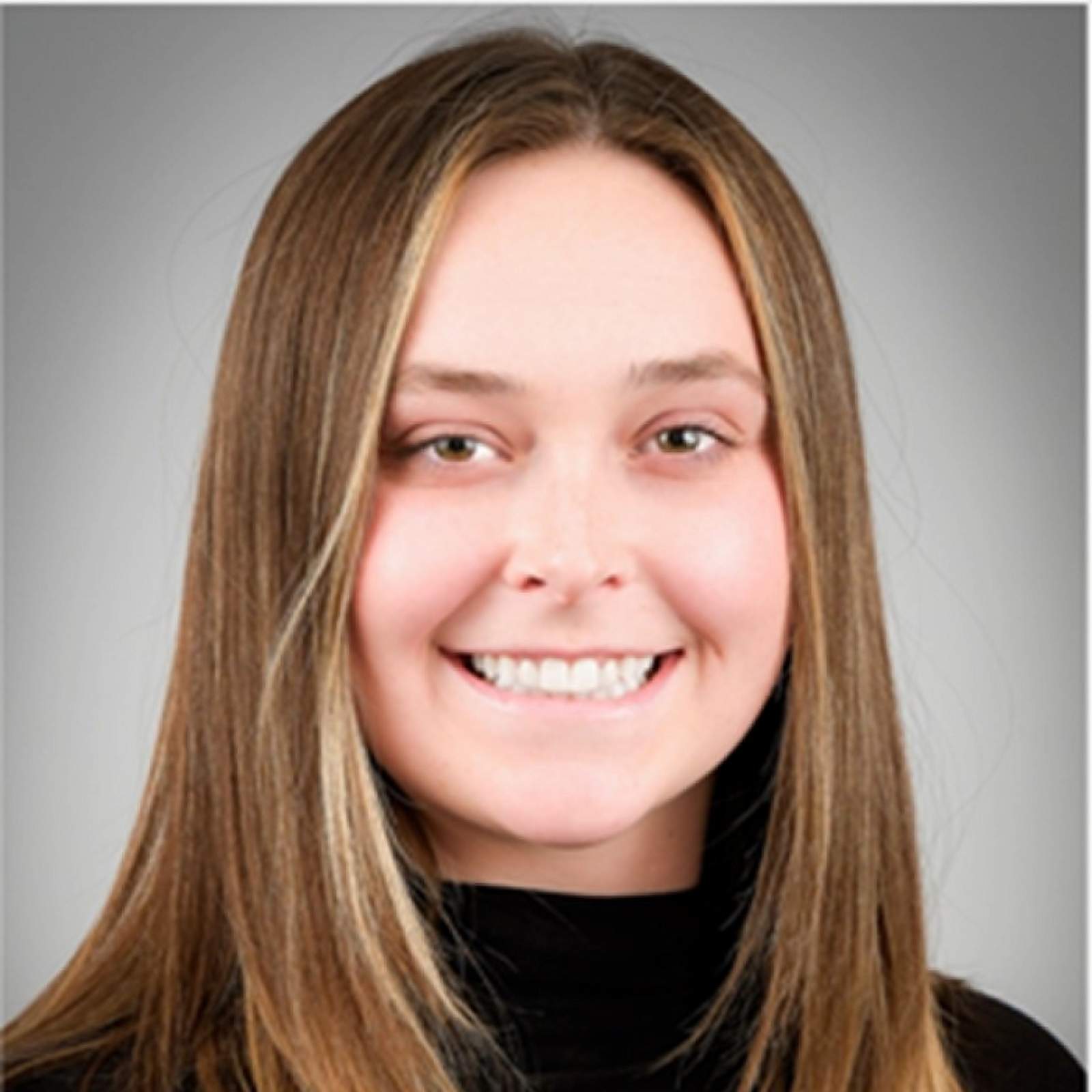
Bergen was born and raised in Bountiful, Utah. During high school, she developed a keen interest in the intersection of engineering and medicine, which led her to pursue an undergraduate degree in Biomedical Engineering at the University of Utah. In the spring of 2021, she joined the Anderson Lab. As an undergraduate researcher, she focused on image processing and, for her senior thesis, developed a statistical shape model to better understand sex differences in the human pelvic bone. Fascinated by the research around her, she chose to continue her education as a PhD student in the Anderson lab after graduating with her BS in Biomedical Engineering in 2023. As a PhD student she is utilizing medical imaging and computational modeling to enhance our understanding of hip deformities.
Outside of the lab, she spends her free time camping, hiking, and skiing.
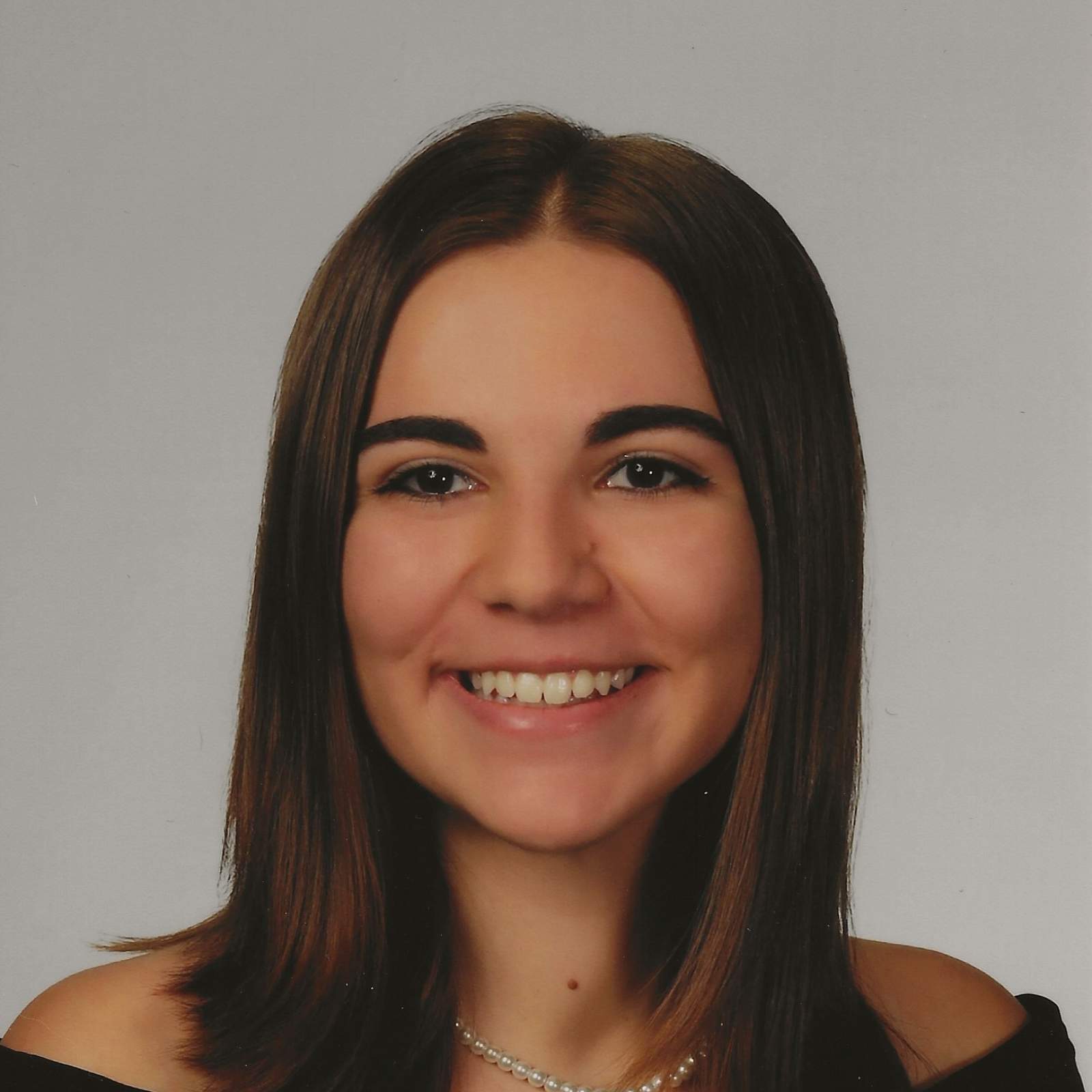
Brooklyn grew up in Gypsum, CO. In 2023, she graduated from the Colorado School of Mines with a BS in Mechanical Engineering. After graduation, she joined Dr. Andrew Anderson’s research group in pursuit of a PhD. Her current research focuses on better understanding femoroacetabular impingement syndrome through hip kinetics and kinematics. She uses a combination of medical imaging, motion capture, and modeling. Outside of research, Brooklyn loves to ski, hike, knit, and play her saxophone in the Utah Medical Orchestra.
Undergraduate Students

Jesus is a third-year biomedical engineering student at the University of Utah. He is originally from Lima, Peru, and was raised in Salt Lake City, Utah the majority of his life. Throughout high school and his time at the U, he always wanted to do Biomedical Engineering with an emphasis on Biomechanics. His interest in Prosthetics has led him to this path and he enjoys every minute of learning. He joined the Orthopaedic Research Lab during the fall semester of 2023. Outside of research, Jesus spends his time going to the gym, swimming, hiking, and listening to music.
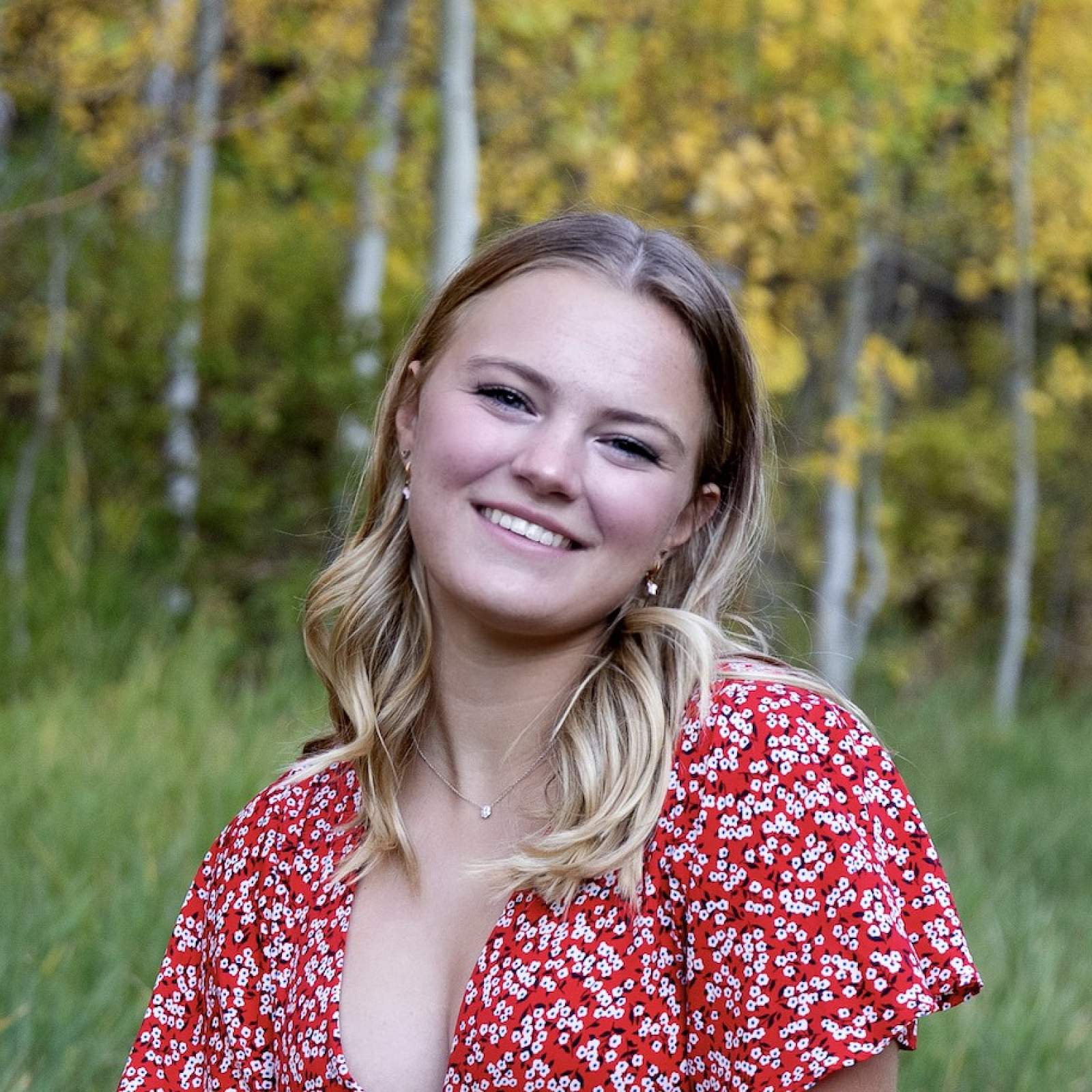
Olivia is a third-year biomedical engineering student at the University of Utah, just minutes from her high school and childhood home. During high school, she found a passion for physics and medicine combined with a personal interest in problem solving and a desire to help others. This led her to the pursuit of a degree in Biomedical Engineering. During her first years of college, she found a love for biomechanics and orthopaedics, specifically the design of prosthetics. In fall of 2023, she joined the Anderson Lab, finding a place where she enjoyed both the research and the people. She has been focused on segmentation of the pelvis for the majority of her time in lab is now moving forward with research on 3D reconstructions of radiographic measurement techniques used in hip dysplasia diagnostics. Outside of the lab, she spends her time skiing, swimming, and being outside as much as possible.

Bowen is a second-year mechanical engineering student at the University of Utah. Originally from San Diego, California, he developed a passion for surfing and rock climbing. In high school, he discovered an interest in robotics, particularly in understanding the dynamics of their movement. His love for sports, combined with a deep interest in their kinematics, has led him to work in the Orthopaedic Research Lab. There, he aims to further explore and expand his knowledge of these complex movements.
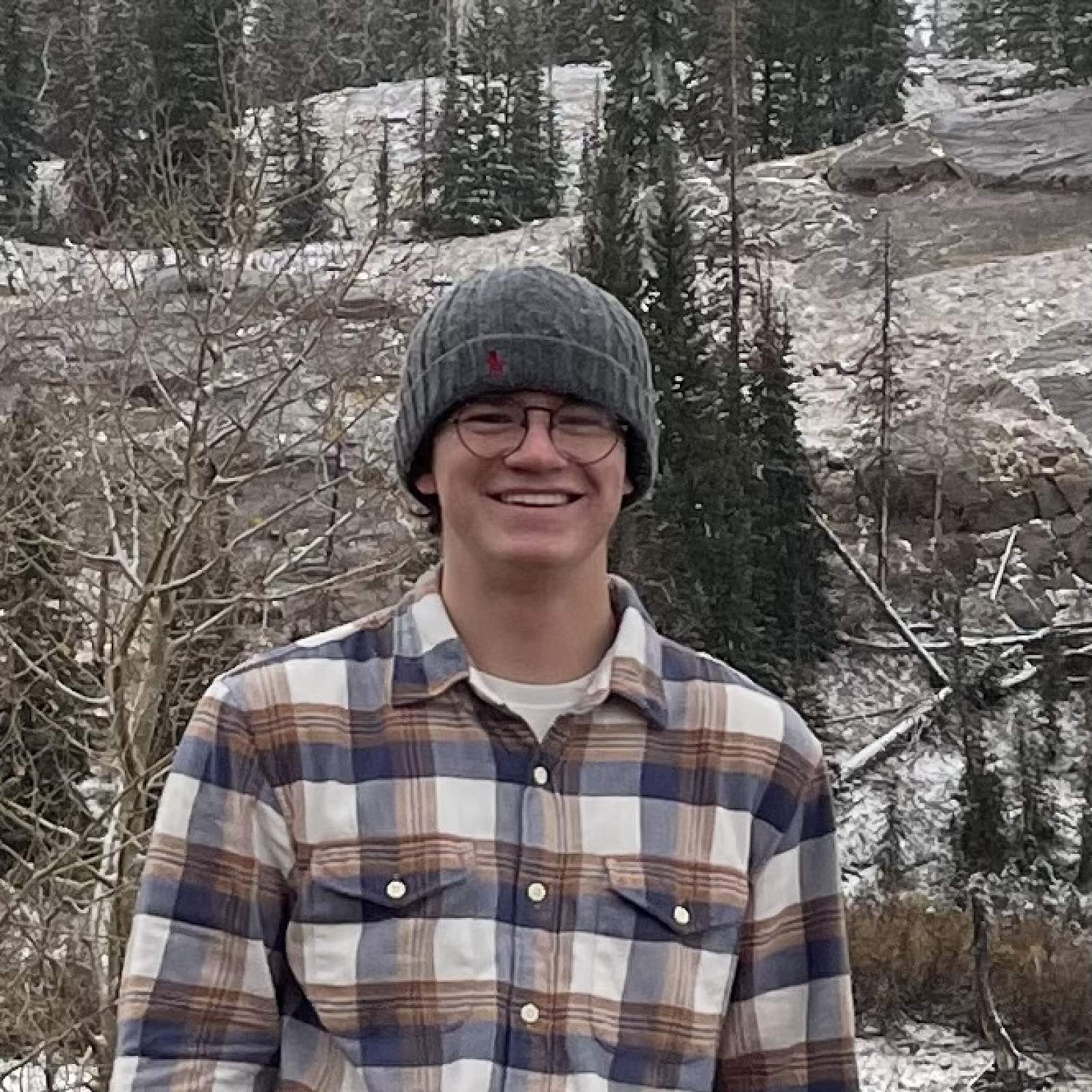
Tyler Adamson is a graduate student working towards his dual Bachelor's and Master's degree in Biomedical Engineering. During his undergraduate years he worked as a research assistant in Dr. Andrew Anderson's lab, where he focused on the joint reaction forces associated with femoroacetabular impingement. He joined the Henninger lab in the summer of 2025 where now his graduate research seeks to validate novel motion capture techniques against standard marker tracking for upper extremity motion and use in clinical settings. In his free time Tyler loves to be outdoors, climbing, hiking, and camping.
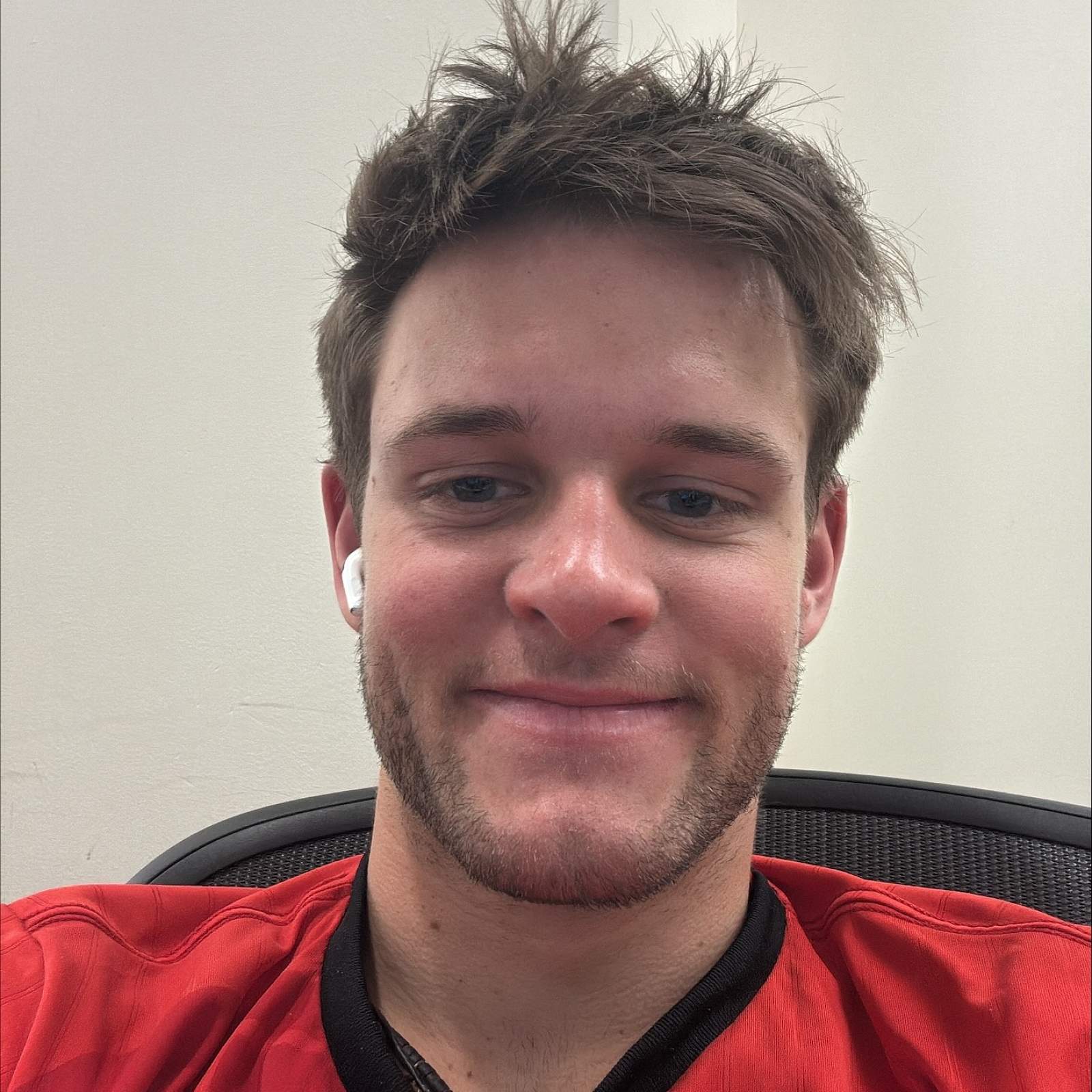
Mission: Cure arthritis. Identity: Second year biomedical engineering student. Interests: Arthritis, soccer, cliff jumping
Andy Moore
Bowen Degraw
Mikhail Ahmed
Allison Sveum
Collaborators
https://www.sci.utah.edu/people/pennyatkins.html
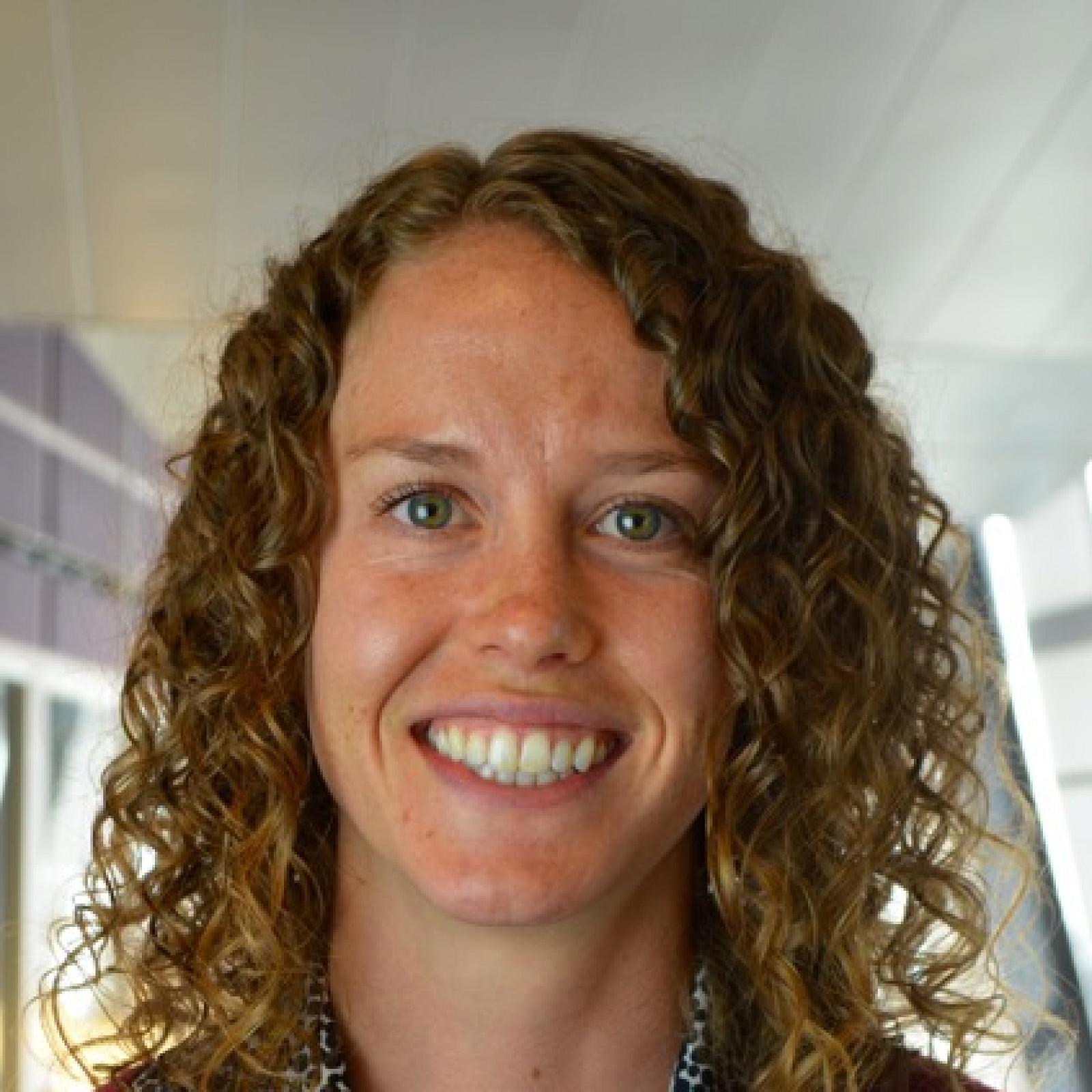
Penny was born in Colorado and grew up throughout the Rocky Mountain states. She earned a BS in Industrial Engineering from Montana State University in Bozeman, MT in 2009 and then worked at the Idaho National Laboratory for four years. Penny completed her PhD in Bioengineering at the University of Utah in 2018 under Dr. Andrew Anderson. Her graduate research applied a variety of experimental and computational methods to quantify population-based morphometrics and subject-specific biomechanics towards improving our understanding of the initiation and progression of hip diseases affecting young, active populations. For her postdoctoral research, Penny utilized high-resolution imaging to evaluate bone remodeling and healing in patients with radius fractures under Prof. Ralph Mueller at ETH Zurich and Inselspital in Bern, Switzerland. In late 2020, Penny returned to Utah as a Research Associate at the Scientific Computing and Imaging Institute with a continuing focus on advancing the computational methods used to understand hip and other orthopaedic pathologies. Recently, she accepted a position as Associate Director of the Data Science Hub as part of the One U Initiative at the University of Utah. Outside of research, Penny enjoys spending time outdoors, especially while mountain biking or skiing.