
Past Speakers

Past Speakers
2024 Keynote Speakers
Naomi Alazraki, MD
Naomi Alazraki, MD, is a distinguished nuclear medicine physician whose career spans nearly five decades. She earned her medical degree from Albert Einstein College of Medicine and completed a pediatric internship there at Bronx-Lebanon Hospital Center. Her training also included radiology residency and nuclear medicine fellowship in San Diego at UCSD, following which she was on faculty for a decade. In 1981, she moved to Utah to become chief of Nuclear Medicine Service at the VA Medical Center and professor of radiology at the University of Utah School of Medicine. Following her move to Atlanta, Alazraki served as director of Clinical PET and co-director of Nuclear Medicine at Emory University and chief of Nuclear Medicine for the VA Medical Center. In 1990-91 she was elected and served as President of the Society of Nuclear Medicine (currently Society of Nuclear Medicine and Molecular Imaging). Her contributions to government advisory committees, including NIH, FDA, and NRC, underscore her influence in the field. Among many leadership positions, she served as chair, FDA Advisory Committee on Radiological Devices 1998 – 2000. She is particularly proud of the role she played at each VA Medical Center in building state-of-the-art Nuclear Medicine facilities, elevating the place of clinical nuclear medicine in patient care at those medical centers. An accomplished author, Alazraki has published extensively, including over 203 peer-reviewed articles, 43 book chapters, and three co-authored books. Alazraki is now Professor Emerita of Radiology at Emory University.


Yoshimi Anzai, MD, MPH
Dr. Anzai is Professor of Radiology at the University of Utah. She completed her Diagnostic Radiology residency and neuroradiology fellowship training at the University of Michigan. In 2000, she moved to the University of Washington, Seattle where she had served as the neuroradiology fellowship director from 2004-2008, subsequently became the section chief in 2008. In 2005, she obtained her MPH from the University of Washington in Health Services funded by GERRAF program and AHRQ K08 award.
Dr. Anzai currently serves as Associate Chief Medical Quality Officer of the University of Utah Health Care. The major goals as the Associate Chief Medical Quality Officer are to improve safety and quality of patient care, to facilitate the process standardization and coordination of care, to implement patient centered outcomes measures that are relevant for each service line, and connect the costs of delivering care with outcome measures in the entire healthcare enterprise. She received the AAMC (Associations of American Medical College) Award for the implementation of Value Driven Outcome tool in 2016.
Dr. Anzai has been a longstanding member of many academic organizations, including ASNR, ASHNR, RSNA, AUR, ACR, and AAWR. She also participated in the large clinical trial including ACRIN trial. She has over 16 years of experience in working as a neuroradiologist in leading academic institutions with a background of health services research. Her area of primary imaging research interest includes head and neck cancer imaging, traumatic brain injury, and neurodegenerative disease. She is also involved in the cost effectiveness and comparative effectiveness of diagnostic tests in various conditions.
Andrew E. Arai, MD, FAHA, MSCMR
Andrew E. Arai, M.D., FAHA, MSCMR, is recognized as an expert in cardiovascular magnetic resonance imaging and a Past President of the Society for Cardiovascular Magnetic Resonance. Dr. Arai’s research focuses on coronary artery disease, myocardial perfusion, and other diseases that affect the heart or blood vessels. Dr. Arai received his MD from the University of Illinois College of Medicine, Chicago, in 1986. He received his BA from Cornell University in Ithaca, NY in 1982. He completed a residency in Internal Medicine and a Cardiology fellowship at the Oregon Health Sciences University in 1989 and 1993, respectively. He helped build and run the clinical cardiac MRI research program at the National Institutes of Health from 1994-2021. In 2001 he received a Presidential Early Career Award for Scientists and Engineers. He was principal or co-principal investigator on $79 million of NIH funding. He has trained 68 cardiologists and radiologists in advanced cardiac imaging. He has authored or co-authored over 300 papers or book chapters. He is a member of the American Society of Clinical Investigation. He is a fellow in the American Heart Association. He has been President of the Cardiac MRI Study Group for the International Society of Magnetic Resonance in Medicine. He has also served as an expert advisor to the US Food and Drug Administration.


Ed DiBella, PhD
Ed DiBella, PhD, is a professor and the director of the Utah Center for Advanced Imaging Research (UCAIR) in the Department of Radiology. He is an adjunct faculty member in Bioengineering, a member of the Center for Arrhythmia Research and Management (CARMA), and a member of the Experimental Therapeutics Program in the Huntsman Cancer Institute.
Dr. DiBella has interests in improving the acquisition, reconstruction, and post-processing of MRI, with particular emphasis on cardiac, cancer, and stroke applications.
DiBella received a master's degree from the University of Vermont and a PhD from the Georgia Institute of Technology.
Yiping Du, PhD
Endowed Chair Professor, Director of the Institute for Medical Imaging Technology. He earned his PhD degree in Physics at the University of Utah, Salt Lake City, USA. He was professor in Radiology and Psychiatry and Technical Director of Brain Imaging Center at University of Colorado School of Medicine from 2002-2009.


Grant Gullburg, PhD
Over the past 57 years, Grant Gullberg, PhD, has worked in the fields of aerospace technology and medical imaging. His career began in 1967 at Boeing as an aerospace engineer while completing his master’s in mathematics at the University of Washington. With the downturn in the aerospace industry, he transitioned to medical imaging and joined Lawrence Berkeley National Laboratory (LBNL) in 1972. He received his doctorate in biophysics from the University of California, Berkeley (1979) while working as a staff scientist at LBNL. Upon completing his doctoral degree, Gullberg was hired by the Applied Science Lab of GE Medical Systems, where he worked for five years before taking a position at the University of Utah. During his 17-year tenure, he served as a professor of radiology and director of the Medical Imaging Research Laboratory. In 2002, Gullberg returned to LBNL as a senior staff scientist. Upon retiring from LBNL in 2015, he became an adjunct professor of radiology at UCSF and an affiliate at LBNL. He continues to work on NIH and NSF-funded medical imaging projects related to nuclear medicine, X-ray phase contrast, optical tomography, and quantum sensing.
Hugh Fredric Harnsberger, MD
Hugh Fredric "Ric" Harnsberger, MD, is a professor emeritus of radiology and otolaryngology at the University of Utah School of Medicine. During his 35-year career, he became an internationally recognized expert in head and neck imaging. Harnsberger's contributions to the field are extensive, including over 200 published articles and 11 influential books. A graduate of UCLA Medical School, Harnsberger completed his radiology residency at the University of Utah, followed by fellowships in body imaging, head & neck imaging, and neuroradiology. His research focused on high-resolution MR imaging of temporal bone diseases, and he pioneered work in radiologic decision support. Harnsberger's accomplishments include serving as President of the American Society of Head & Neck Radiology and receiving numerous awards, such as the RSNA Roentgen Centennial Fellow Award and the Gold Medal from ASHNR. Beyond his professional achievements, Harnsberger is deeply committed to community service. He and his wife, Janet, are volunteers with various organizations and co-founded the Horizonte Scholarship Fund for at-risk youth. Ric and Janet are now wholeheartedly enjoying retirement, their grandchildren, and seeing the world.


Bob Kruger, Phd
Born a Celtic bastard in Dublin, Ireland, in 1948 and raised by an adoptive family in New Jersey. I, like many of my generation, was the first to attend college—at the University of North Carolina in Chapel Hill, NC, where I now live. I received my PhD from the University of Wisconsin-Madison. To the relief of my long-suffering father, Jim Sorenson gave me my first real job at the age of thirty-one, at the University of Utah. I have been fortunate to have made innovative contributions to digital angiography and photoacoustic CT at the Universities of Wisconsin-Madison, Utah, Indiana, and a small, ill-fated company that I founded in Oriental, NC—OptoSonics Inc. (No, we didn't sell glasses or hearing aids.)
James A. Nelson, MD
James A. Nelson, MD, is a Harvard-trained physician whose multifaceted career spans clinical practice, research, and medical innovation. After graduating from medical school in 1965, he completed two years in general surgery at UCSF followed by two years as a surgeon in the US Air Force Medical Service. Nelson then completed his residency in diagnostic radiology at UCSF. His academic journey led him to professorships at UCSF, University of Utah, and University of Washington (UW), where he became professor emeritus in 2003. With 120 refereed papers and 14 patents, Nelson has significantly contributed to medical imaging and device development. He was director and co-founder of the Diagnostic Imaging Research Laboratory at the University of Utah and founding director of the Diagnostic Imaging Sciences Center at UW. His innovations range from contrast media analysis techniques to non-surgical myocardial revascularization methods. Nelson has served as medical director for Research Medical and NeoVision, and co-founded Circulation, Inc., later acquired by Medtronic. He has also served on NIH study sections and as a referee for prestigious medical journals. Nelson's impact has been felt globally through international presentations and visiting professorships.


Frederic Noo, PhD
Frederic Noo completed his PhD in Applied Science in 1998 at the University of Liege, Belgium. He joined the department of radiology and imaging sciences at the University of Utah, Salt Lake City, USA as an instructor in 2001 and became a tenured professor in 2013. His range of expertise encompasses all aspects of X-ray computed tomography (CT), including image reconstruction algorithms, scanner design, simulation models and Monte-Carlo transport of photons, noise and dose evaluations, and task-based assessment of image quality using both model and human observers. His papers are widely read and cited, and many of his publications in Physics and Medicine and Biology were highlighted. Many of his inventions have been patented, with his CT expertise recognized both in industry and in academia. He launched a highly successful biennial stand-alone conference in 2010, called "The International Conference on Image Formation in X-ray Computed Tomography"; this significant voluntary effort was offered as a service to the community to address a growing need for CT scientists. His work has been continuously supported by the NIH and by corporate funds since 2001. He has supervised several Ph.D. students and post-doctoral researchers who have become prolific scientists with various manufacturers and government organizations. Some of his image reconstruction methods have been used by vendors. His methods for image quality assessment are supported by the FDA. His hobbies include reading, plastic modeling, and running.
Anne G. Osborn, MD, FACR
Anne G. Osborn, MD, FACR, is a world-renowned pioneer, educator, and trailblazer in the field of neuroradiology. She received her medical degree and did her residency at Stanford University School of Medicine. Osborn won the James Picker Advanced Academic Fellowship in Radiology, which funded her early research in computer-assisted radiology education, and subsequent magna cum laude scientific exhibit award from the Radiological Society of North America. She is recognized internationally for helping establish the field of neuroradiology, is the co-creator of the first comprehensive point-of-care electronic imaging reference system, and is the author of numerous medical books and journal articles. Her comprehensive teaching textbook, Diagnostic Neuroradiology, won the 1995 American Publishers Association Award as the Best Textbook in Clinical Medicine. It’s successor, Osborn’s Brain, was equally acclaimed; the third edition was published in 2023. Osborn was the first woman president of the American Society of Neuroradiology, and she served as vice-president of the Radiological Society of North America. In 1996, she received the University of Utah’s highest honor, the Rosenblatt Prize for Excellence. Having enjoyed a long and bountiful career, Osborn is now Distinguished Professor Emerita of the University of Utah and is relishing retirement.


Dennis Parker, PhD
Dennis Parker, PhD, is an internationally recognized scientist and educator in the field of medical imaging. He holds an MS in Physics from Brigham Young University and a PhD in Medical Biophysics and Computing from the University of Utah. Currently, he serves as the Mark H. Huntsman Endowed Professor in the Departments of Radiology and Imaging Sciences and Biomedical Informatics at the University of Utah. During his 40-year career, Parker has made significant contributions to medical imaging research and image-guided therapies. His expertise spans physics, mathematics, Magnetic Resonance Imaging (MRI), and MR-guided High Intensity Focused Ultrasound (MRgHIFU) for cancer treatment. Notably, he published the first paper on using MRI to measure temperature for guiding thermal cancer therapy. Parker's innovative work has earned him numerous accolades, including fellowships in prestigious societies and the University of Utah's Distinguished Research Award. His patented MOTSA technology is used worldwide for brain angiography imaging. Beyond his professional achievements, Parker is known for his dedication to mentoring students and researchers. His endowment, funded with his licensing fees for MOTSA and named in honor of his parents, reflects his strong desire to support future advancements in medical imaging research.
Allison H. Payne, PhD
I am a mechanical engineer with expertise in thermal therapies; specifically magnetic resonance guided focused ultrasound. My research contributes to the translation and dissemination of this exciting technology through the development of new hardware, advanced treatment planning and monitoring and assessment techniques. During the past 10 years, I have led the team that designed a constructed a breast-specific MRgFUS system that is currently in clinical trials in Europe for treating breast cancer. I have additional expertise in mechanical design, MR imaging, temperature measurement, acoustic radiation force imaging and acoustic modeling.


Heloisa Soares, MD, PhD
Dr. Heloisa Soares is a medical oncologist with a focus in GI and neuroendocrine cancers. She is an Associate Professor at the Huntsman Cancer Institute (HCI) at University of Utah. Dr. Soares received her medical degree at Faculdade de Medicine do ABC in Brazil, where she was born. She completed her residency training at the Mount Sinai Medical Center of Florida and her hematology-oncology fellowship training and PhD in molecular biology at UCLA. Dr. Soares has neuroendocrine tumors and gastrointestinal (GI) cancers as the major focus of her research and clinical activities. She serves as the Medical Director for the Clinical Trials Office as well as the co-physician leader in the GI Clinical Trials Research Group at HCI. In 2019, she was elected as a member of the board of directors for The North American Neuroendocrine Tumor Society (NANETS). Additionally, she is the vice chair for the NCI NET Taskforce and member of SWOG and NRG cooperative groups. She is also a panel member for the Neuroendocrine and Adrenal Tumors NCCN Clinical Practice Guidelines in Oncology.
At the university of Utah, she leads the University of Utah NET Destination Care Program. At the Huntsman Cancer Institute, she is the Neuroendocrine Tumor Clinical Program and Research Initiative Director.
Dr. Soares is a passionate advocate to patients and is a Healing NET Foundation's Board Member. Along many patient-centered activities, she volunteers at the ASCO Advocacy Summit on Capital Hill.
You can follow her on twitter as @helops79
James Sorenson, PhD
James Sorenson, PhD, has been a pioneering figure in the field of medical imaging. After growing up in Wausau and graduating from Newman Catholic High School, he enlisted in the Navy in 1956. His naval service laid the foundation for his future in electronics and physics. Sorenson's academic pursuits began at UW-Madison in 1959, where he earned his BS and MS in physics. During this time, he married Lucy Wagner and delved into bone-densitometry research. In 1968, he became the first clinical nuclear medicine physicist at UW Medical Center, completing his PhD in radiological sciences in 1971. Sorenson moved to the University of Utah in 1973, where he became director of the Medical Imaging Research Lab (co-director with Jim Nelson after his arrival in 1974). His most enduring contribution to the field came in 1984 with the publication of "Physics in Nuclear Medicine," a seminal textbook he co-authored with Michael Phelps. Returning to Madison in 1987, Sorenson worked in the private sector before rejoining UW-Madison as a faculty member and MRI research lab director. He retired in 2000 but remained active in his field. Throughout his career, Sorenson bridged academia and industry, leaving an indelible mark on medical physics, nuclear medicine, and imaging technology.


Andrew Taylor, MD
Andrew Taylor, MD, completed residencies in internal and nuclear medicine in 1974 and joined the UCSD Department of Radiology as an assistant professor in nuclear medicine. In 1981, he become director of nuclear medicine at the University of Utah, where he established the radiopharmaceutical research program that led to development of a new renal imaging tracer, technetium-99m MAG3. In 1986, Dr. Taylor became co-director of nuclear medicine at Emory University School of Medicine, where he continued work in renal radiopharmaceutical development. He was the primary developer of software for Tc-99m MAG3 renal studies. In collaboration with Ernest Garcia, PhD, Taylor developed a system to process and interpret Tc-99m MAG3 renal studies in patients with suspected renal obstruction. He has served as PI on multiple NIH grants and received the prestigious NIH MERIT Award. He served as president of the Society of Nuclear Medicine Education and Research Foundation and chair of the American Board of Nuclear Medicine. He is currently a professor of nuclear medicine and molecular imaging at Emory University.
Paula J. Woodward, MD
Dr. Woodward is a Professor in the Department of Radiology. She completed her residency training at Wilford Hall USAF Medical Center. She holds the David G. Bragg, MD and Marcia R. Bragg Presidential Endowed Chair in Oncologic Imaging.

2023 Keynote Speakers
|
CHARLES MASON MAXFIELD, MD
|
“Development and evolution of a multi-institutional research cooperative studying radiology resident education.” |
THOMAS M. GRIST, MD, FACR |
"Promoting innovation within your team: Lessons learned from 40 years in MRI" |
MATTHEW F. GLASSER, MD, PhD |
“Lessons from the Human Connectome Project that Inform Clinical Neuroradiology” |

2021 Keynote Speakers
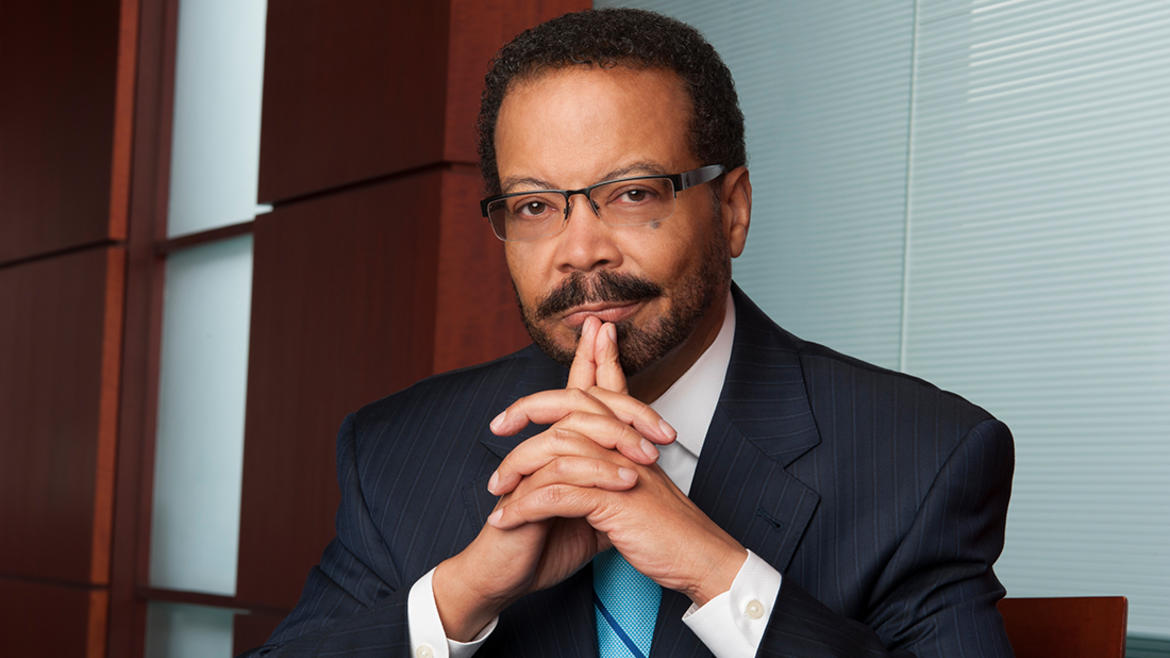
Roderick Pettigrew, MD, PhD
|
Dr. Pettigrew is the chief executive officer (CEO) of Engineering Health (EnHealth) and executive dean for Engineering Medicine (EnMed) at Texas A&M University, in partnership with Houston Methodist Hospital. Dr. Pettigrew also holds the endowed Robert A. Welch Chair in Medicine. An internationally recognized leader in biomedical imaging and bioengineering, Dr. Pettigrew served for 15 years as the founding director for the National Institute of Biomedical Imaging and Bioengineering (NIBIB) at National Institutes of Health (NIH). Prior to his appointment at the NIH, he joined Emory University School of Medicine as professor of radiology and medicine (cardiology) and Georgia Institute of Technology as professor of bioengineering. He is known for pioneering work in four-dimensional imaging of the cardiovascular system using magnetic resonance imaging (MRI).
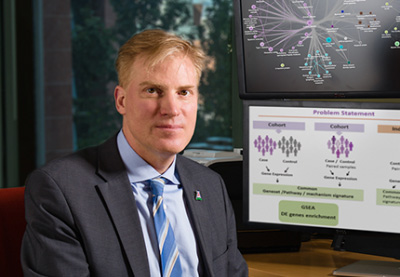
Yves Lussier, MD
|
Dr. Lussier is the Chair of the Department of Biomedical Informatics at the University of Utah. Prior to coming to Utah, he was the Associate Vice President for Health Sciences and Chief Knowledge Officer at the University of Arizona Health Sciences Center. There, he served as Director for the Center for Biomedical Informatics and Biostatistics and Associate Director for Informatics at the university’s Bio5 Institute.
2021 Emerging Investigator Presenters
|
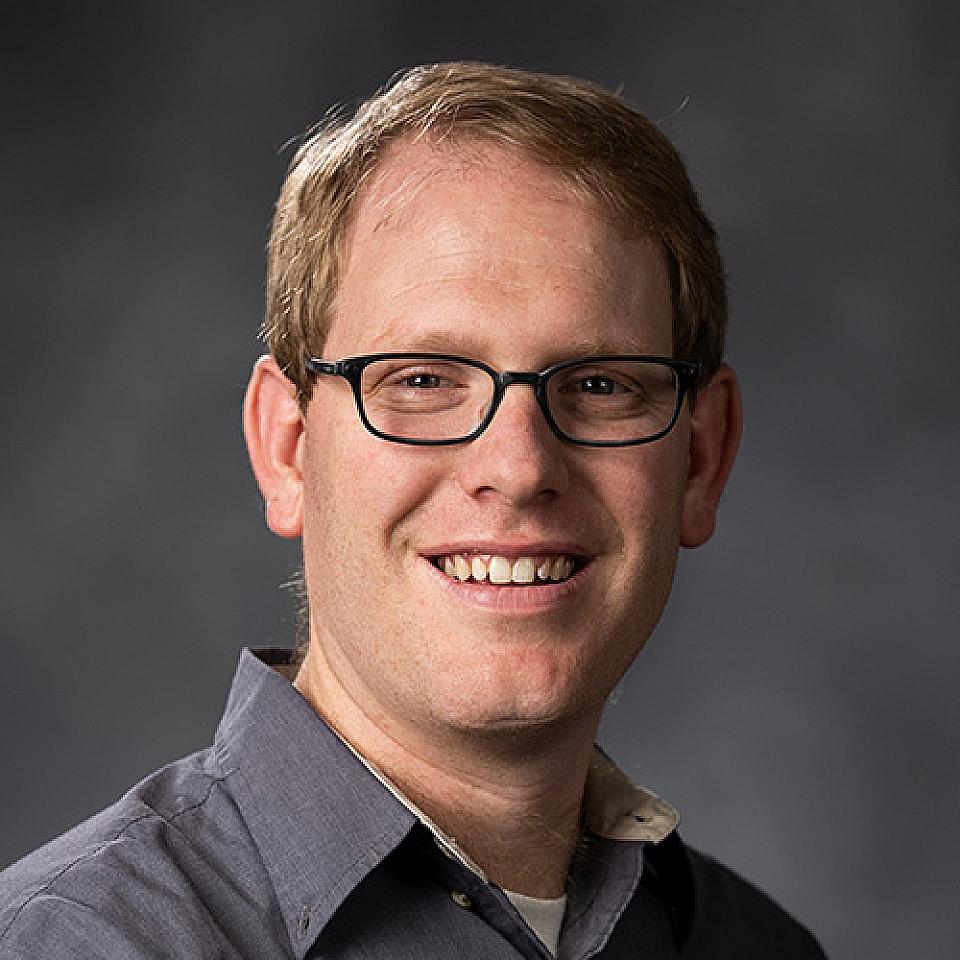
Steven Allen, PhD, Brigham Young University “Nanofluids and Knifeless Surgeries” |
|
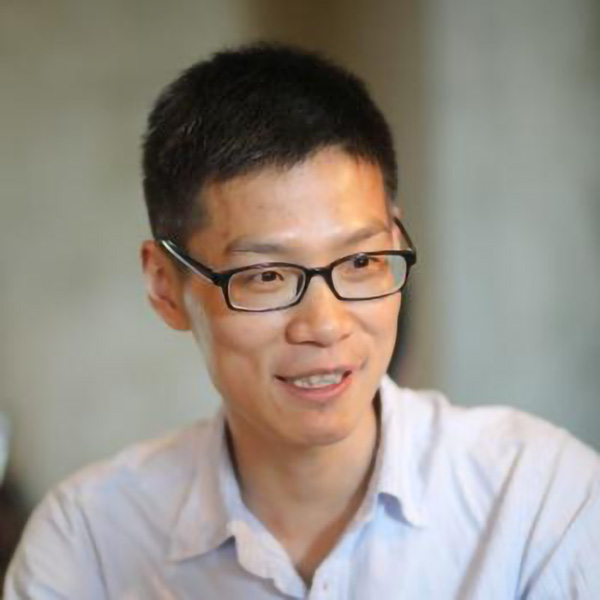
Erpeng Dai, PhD, Stanford University “Probing Brain Microstructure and Structural Connectivity with Advanced Diffusion MRI” |
|
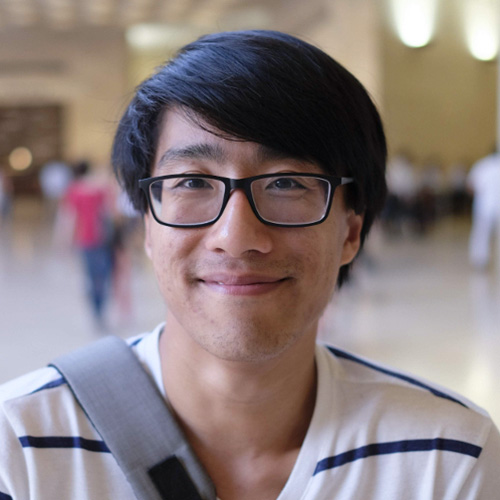
Philip K. Lee, Stanford University "Magnetic Resonance Imaging for Patients With Their Own Personal Magnet" |
|
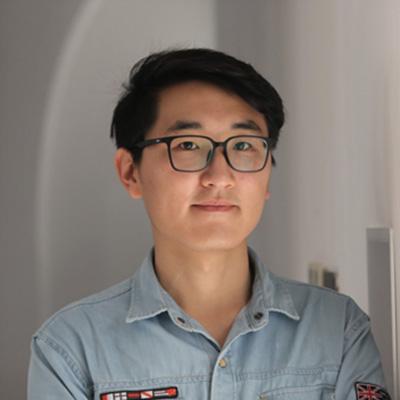
Xiaodong Ma, PhD, University of Minnesota “Quick and Easy 7T MRI scan: Reduce the B1 Artifacts Using AI” |
|
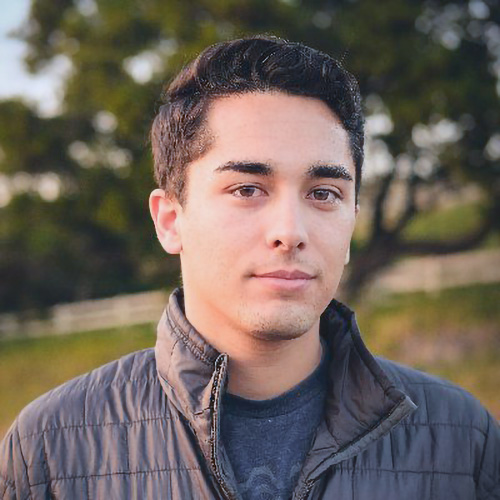
Sumner Norman, PhD, California Institute of Technology “Listening to Brain Function” |
|
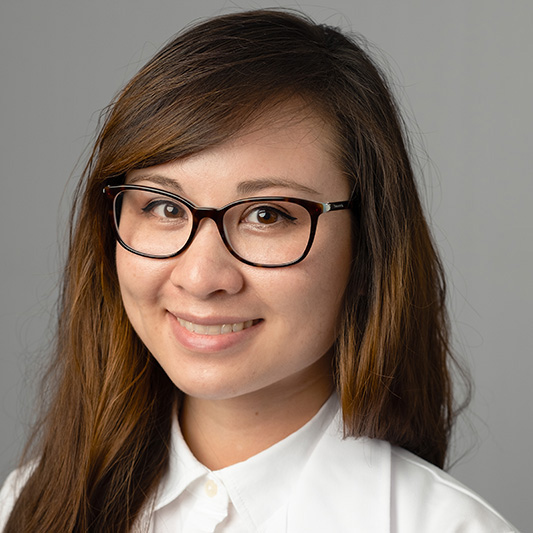
Theresa Pham, MD, University of Utah “Perceptual Training on Formulating a Gestalt Impression of an Image Using a ‘Second Look’” |
|
Efrat Shimron, PhD, University of California Berkeley “Subtle Inverse Crimes: When AI is Overly Optimistic” |
|
Tyler Smith, MD, University of Utah “In Search of Ionizing Imaging without DNA Damage” |
|
Anna Sorace, PhD, University of Alabama “Imaging the tumor microenvironment to personalize cancer treatment” |
|
Lauren Watkins, Stanford University “Form Follows Function in Osteoarthritis: A Tale Taken from PET + MRI" |
|
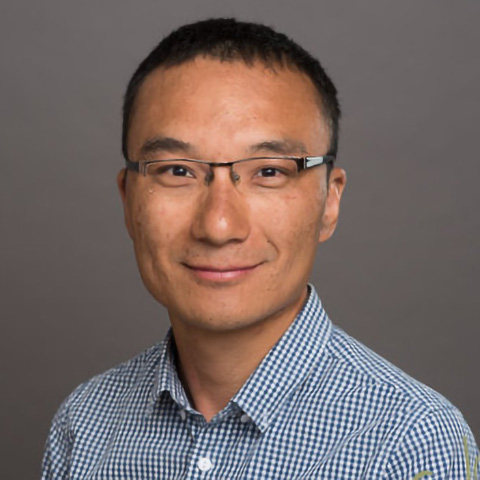
Moss Zhao, PhD, Stanford University “Blood Flow Elevated: Predicting Stroke” |
2020 Keynote Speakers
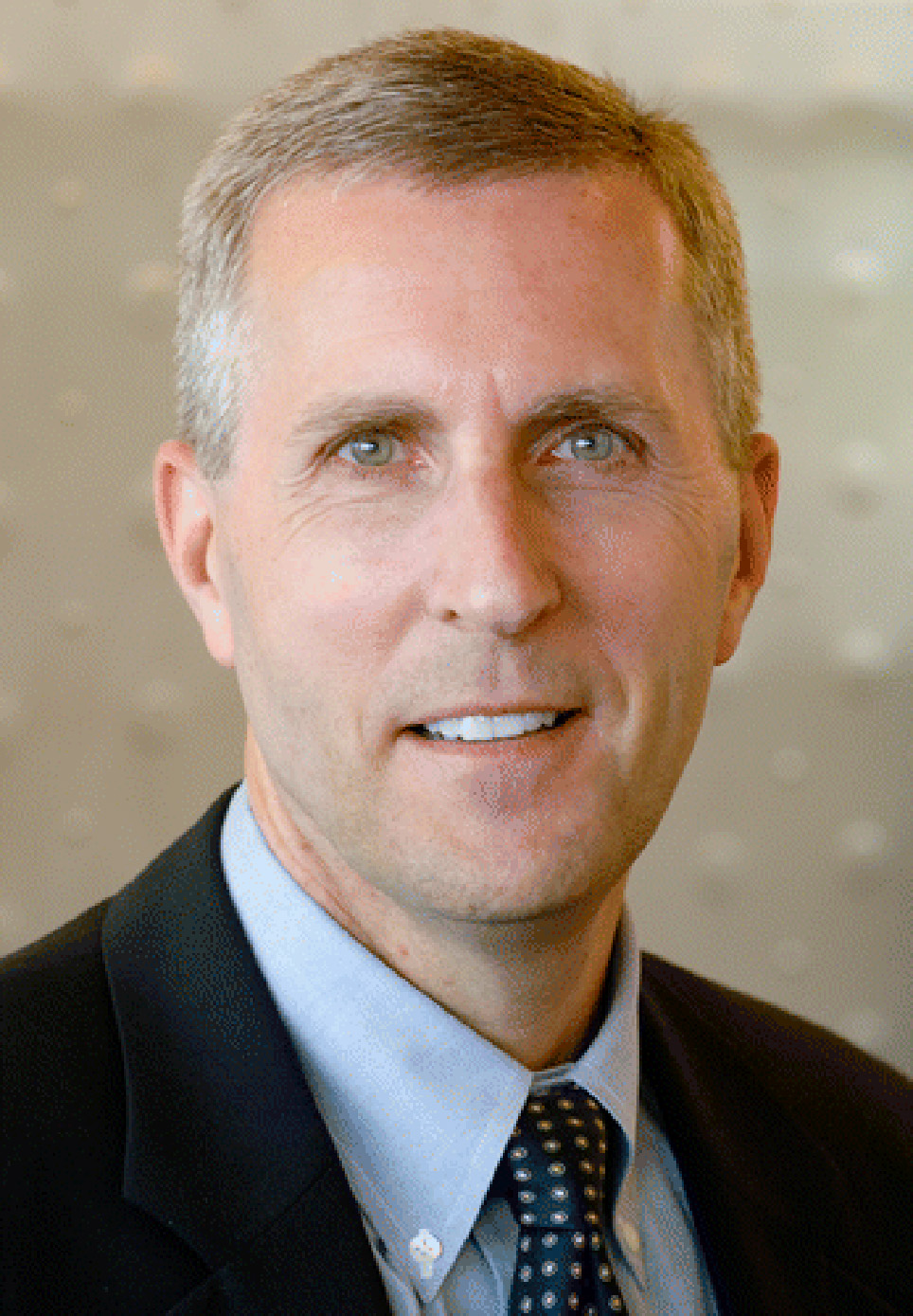
David Bluemke, MD, PhDUniversity of Wisconsin, Editor of Radiology |
|
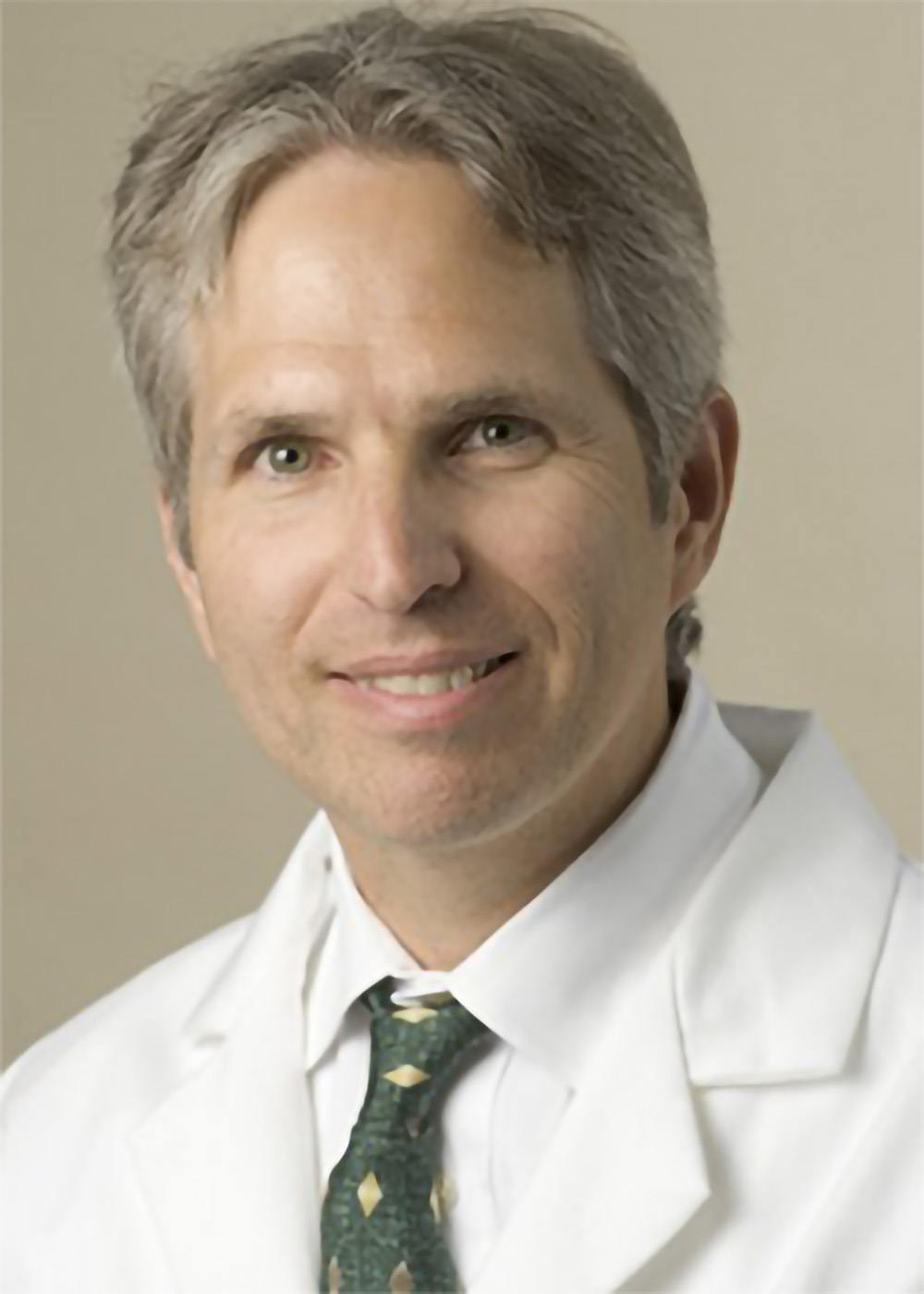
Greg Zaharchuk, MD, PhDStanford University |
2020 Emerging Investigator Presenters
|
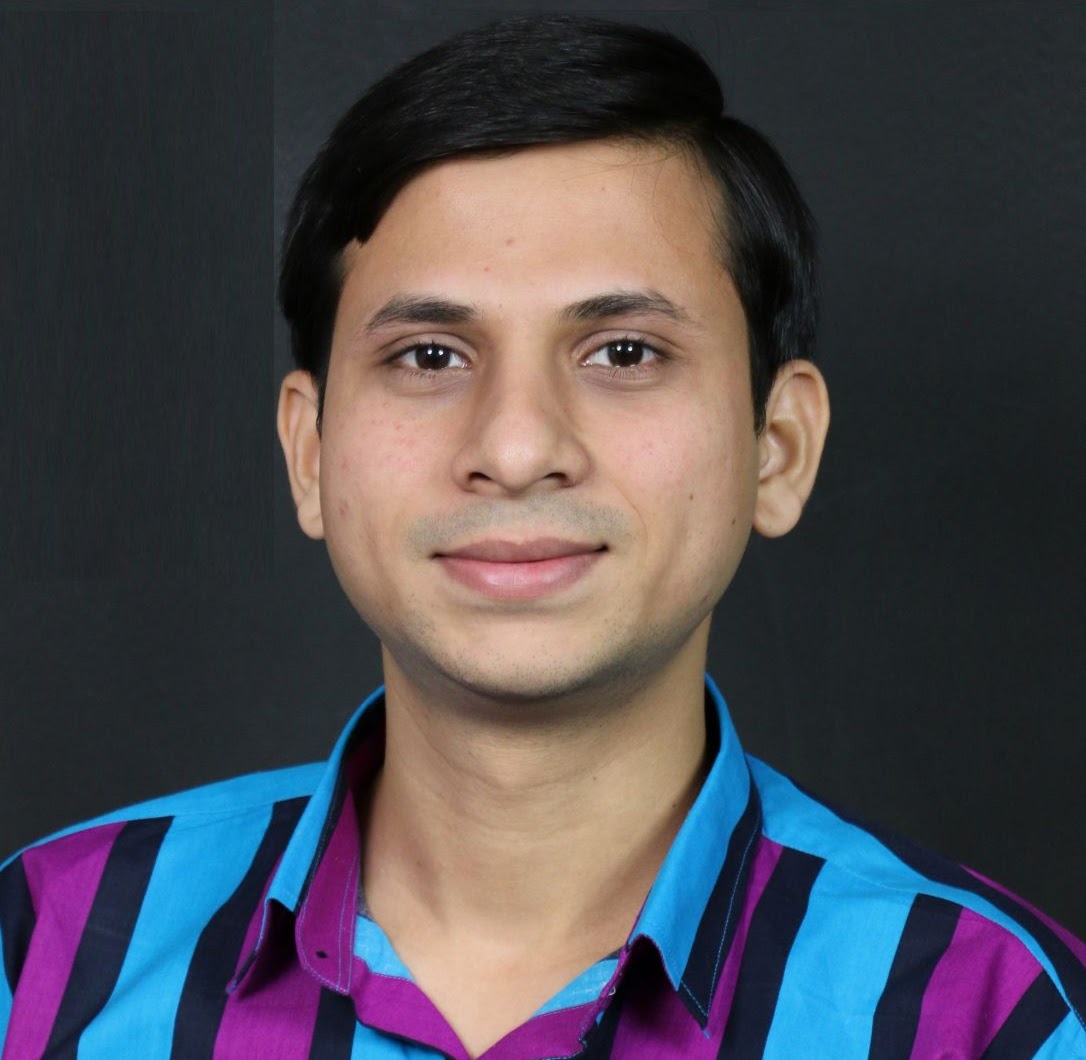
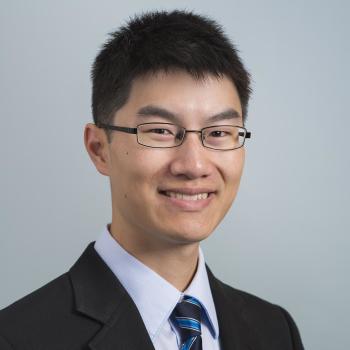
Hemant Aggarwal, PhD, University of Iowa “Joint model-based learning for optimized sampling in parallel MRI” |
|
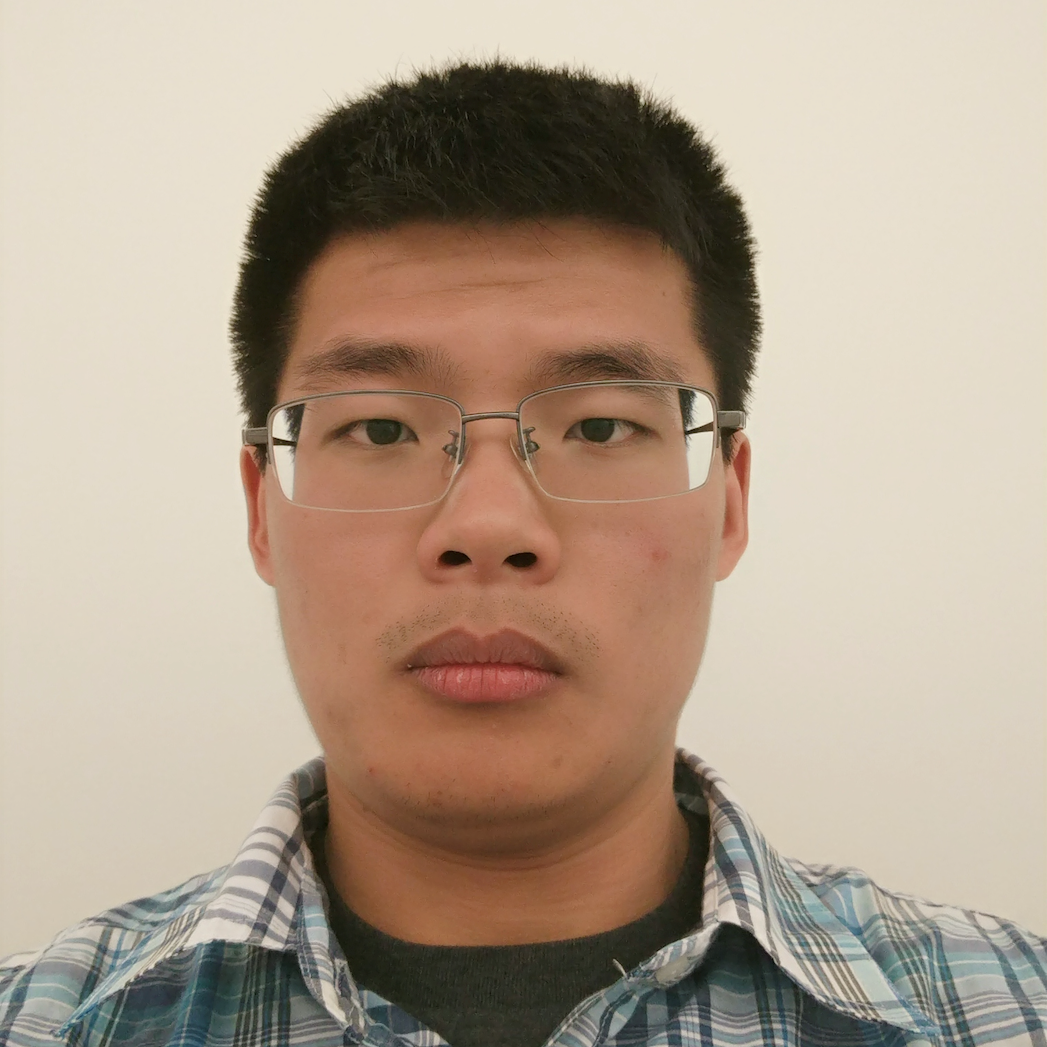
Kevin Chen, PhD, Stanford “Deep Learning Enhancement of Ultra-low Injected Dose Amyloid PET/MRI” |
|
Li Chen, University of Washington “Fully automated and Robust Analysis Technique for Popliteal Artery Vessel Wall Evaluation (FRAPPE) using Neural Network Models from Standardized Knee MRI” |
|
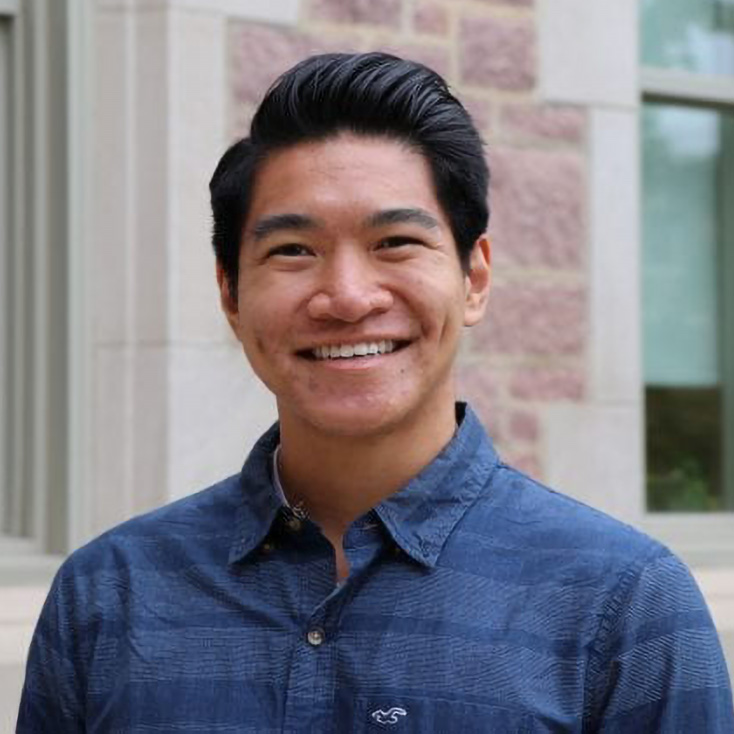
Shadi Esfahani, MD, Massachusetts General Hospital “Hyperpolarized [1-13C]Pyruvate Magnetic Resonance Imaging For Evaluation of Early Response to Tyrosine Kinase Inhibition Therapy in Gastric Cancer” |
|
Christopher Pacia, Washington University in St. Louis “Feasibility and safety of focused ultrasound-enabled liquid biopsy in the brain of a porcine model” |

|
Jessica Santana, Yale “Non-Invasive Molecular Imaging allows Characterization of Immune Response following Hepatic Radiofrequency Ablation in a Mouse Model” |
|
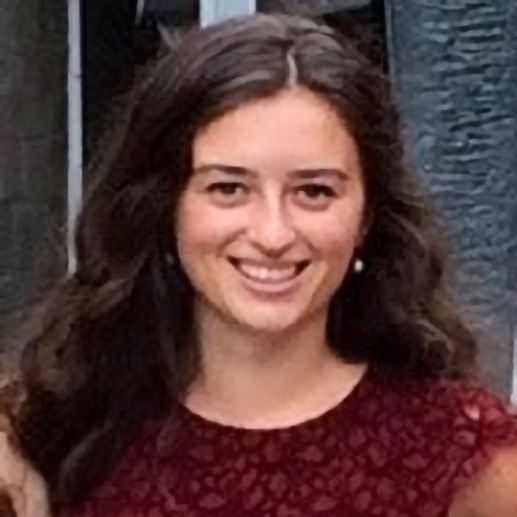
Olivia Sehl, University of Western Ontario “Combining iron- and fluorine-based MRI with magnetic particle imaging to monitor the delivery of mesenchymal stem cells and the ensuing inflammation in vivo” |
|
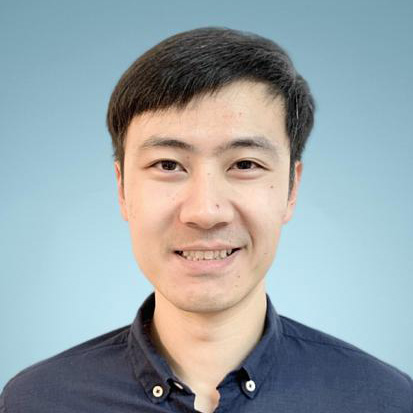
Xingfeng Shao, PhD, USC “Mapping water exchange across the blood-brain barrier using three-dimensional diffusion-prepared arterial spin labeled perfusion MRI” |
|
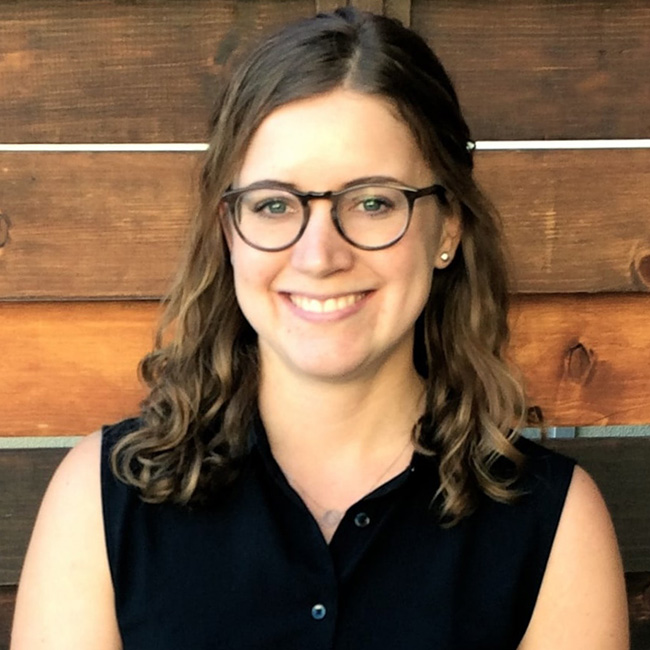
Kelly Smart, PhD, Yale “Variation in relative acetylcholine concentration across the human brain detected with PET receptor occupancy studies” |
|
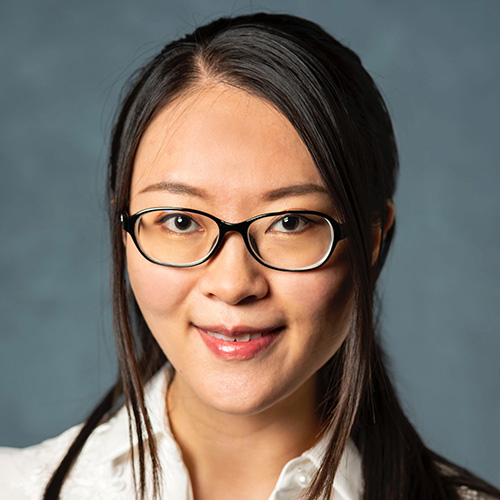
Nan Wang, UCLA/Cedars Sinai Health System “Initial Clinical Study on Plaque Analysis Using Quantitative Multi-Contrast Atherosclerosis Characterization (qMATCH) of Atherosclerosis” |
2019 Keynote Speakers
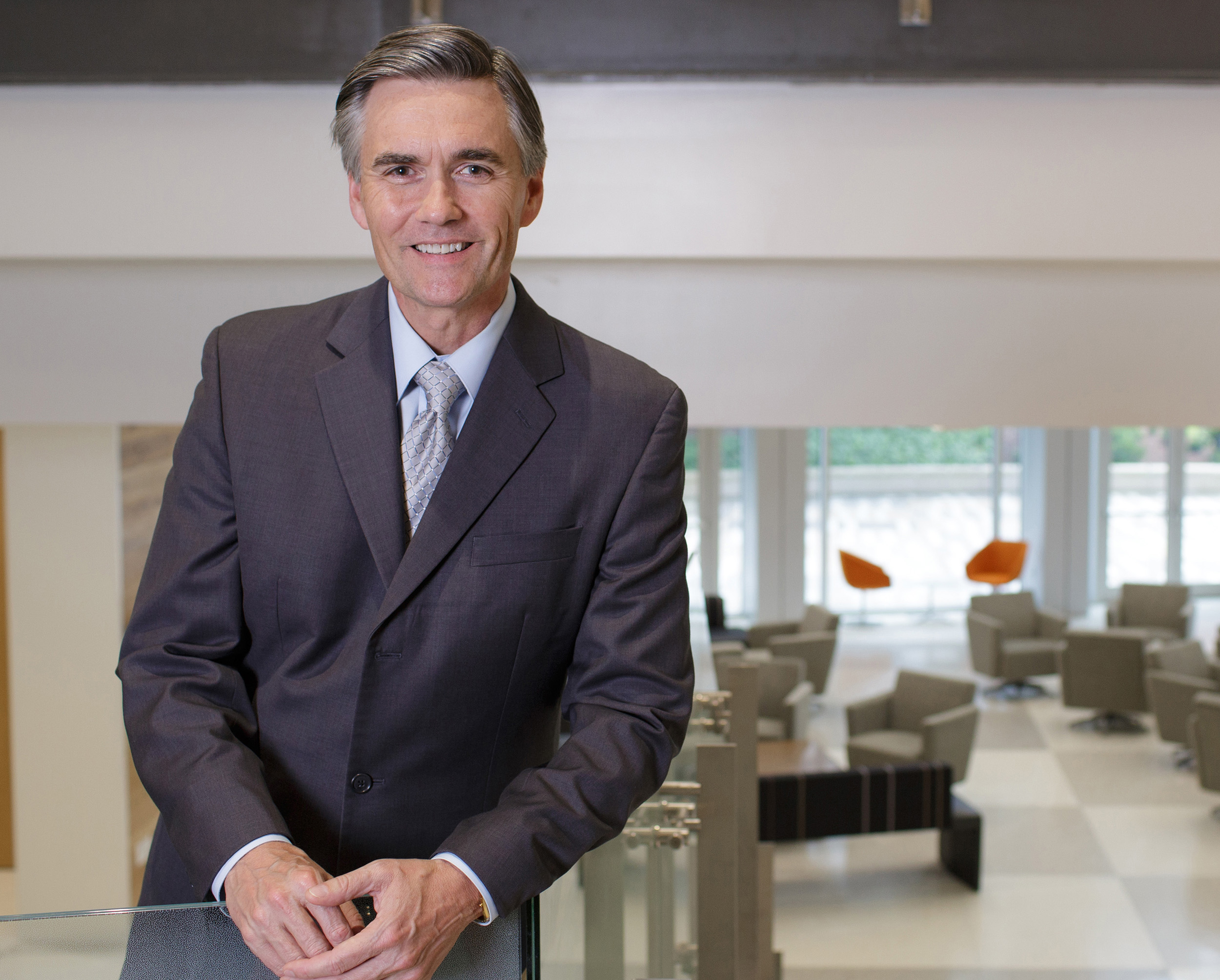
Michael Good, MDSenior Vice President for Health Sciences |
|
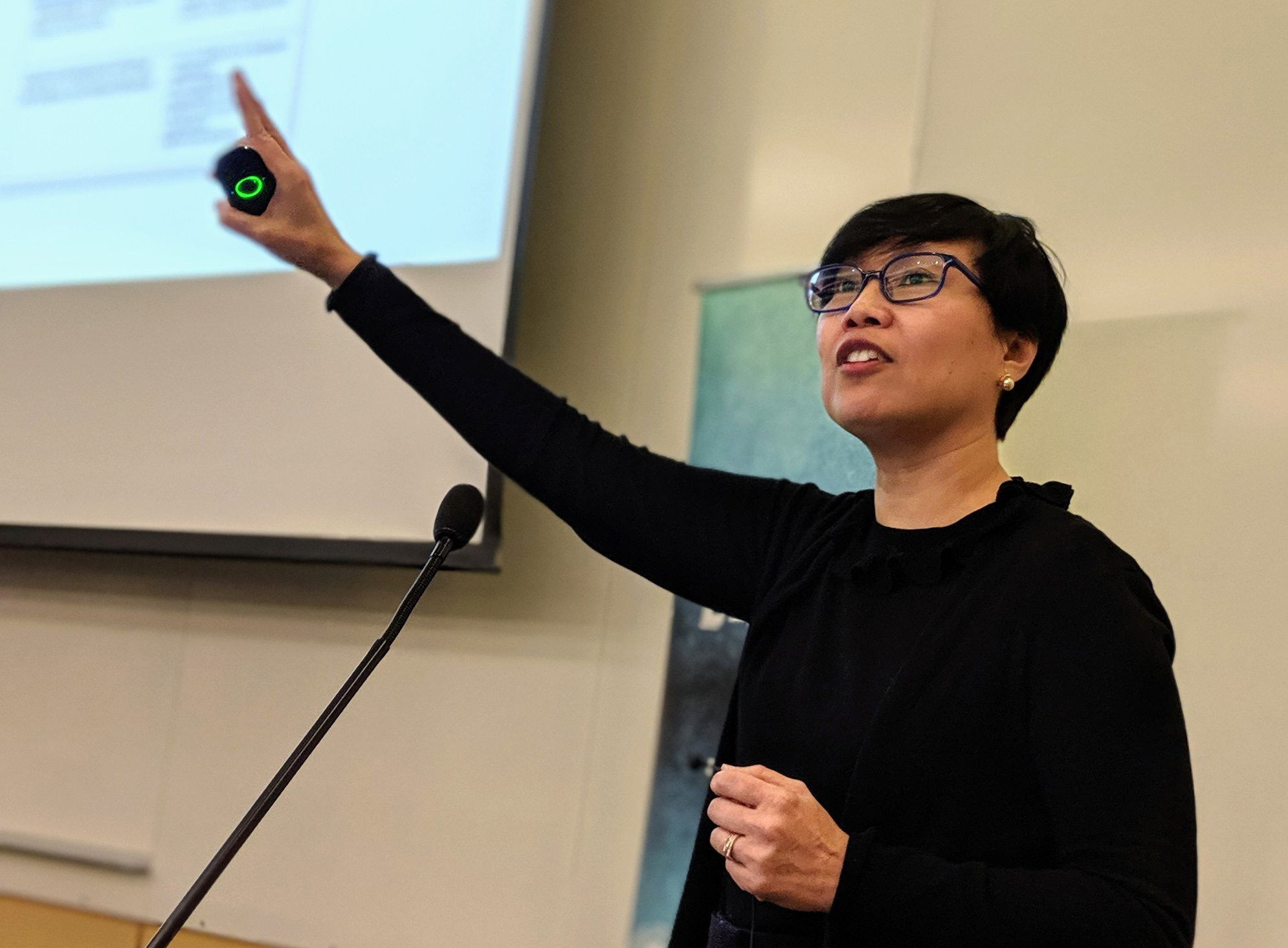
Ruth Carlos, MD, MS, FACRProfessor, University of Michigan |
|
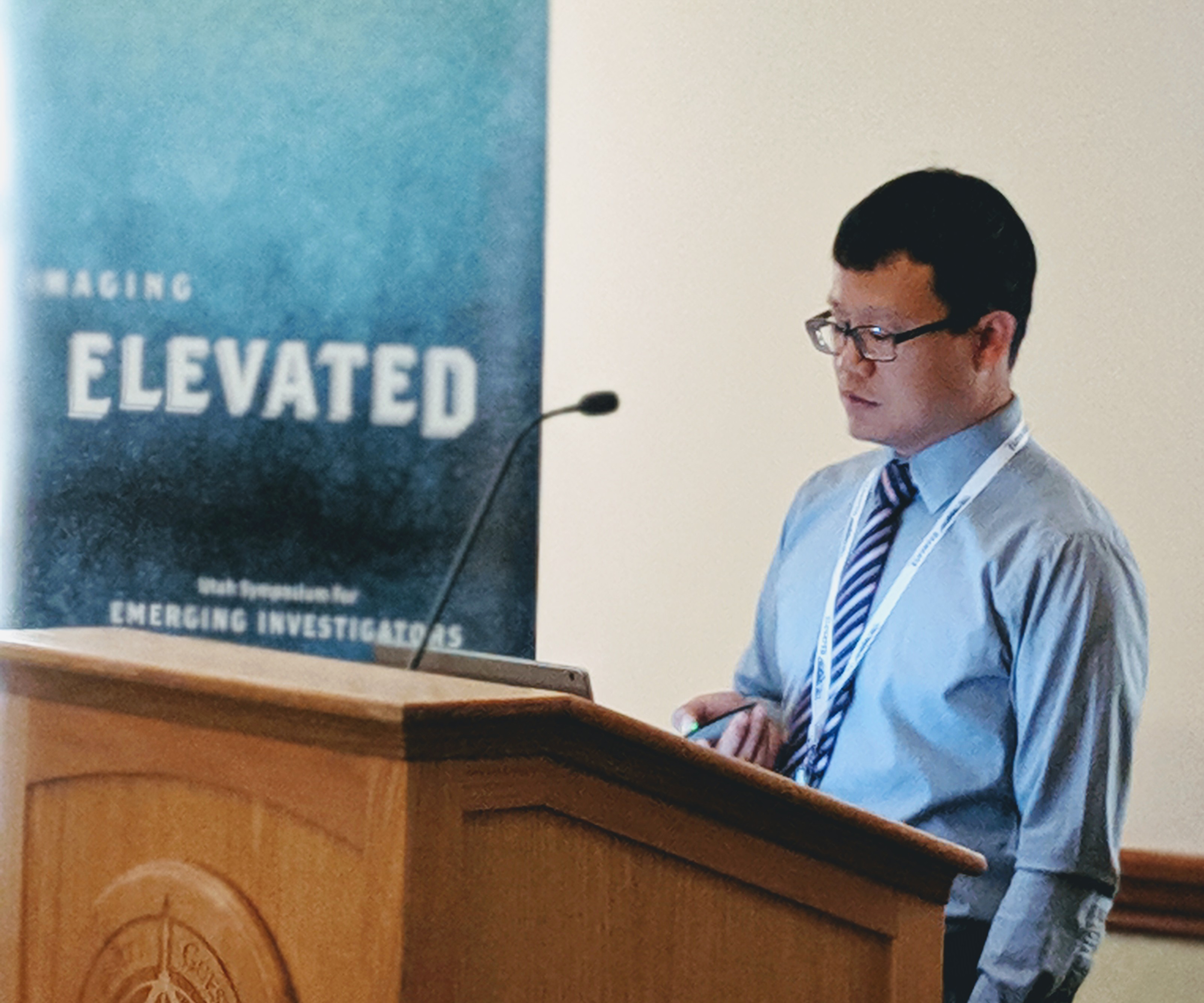
Min Xian, PhDAssociate Professor of Computer Science |
2019 Emerging Investigator Presenters
|
Bar-Zion, Avinoam, PhD, Caltech "Genetically Encodable Nuclei for Ultrasound-Guided Inertial Cavitation" |
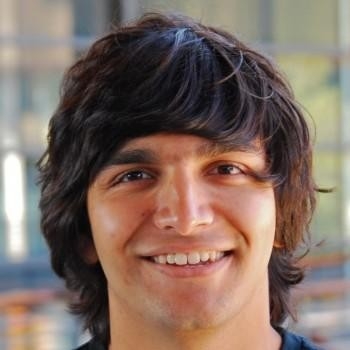
|
Chaudhari, Akshay, PhD, Stanford "5-Minute Quantitative Double-Echo in Steady-State in Knee MRI: Combining an Efficient Multi-Contrast Acquisition with Quantitative Imaging and Artificial Intelligence" |
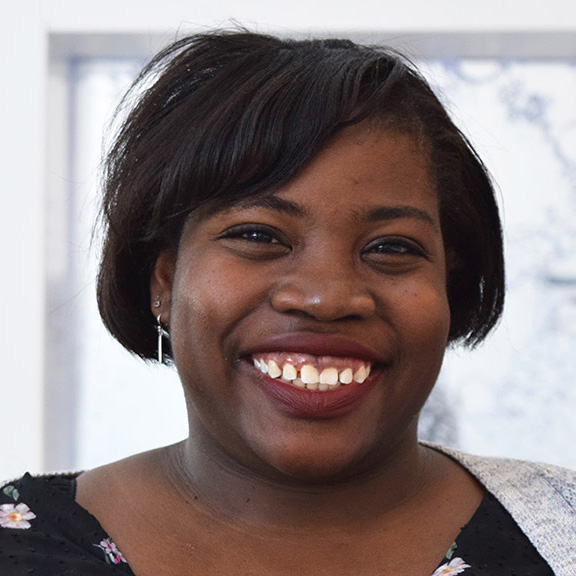
|
Fletcher, Stecia-Marie, MSci, Sunnybrook Research Institute/University of Toronto "Transvertebral detection of microbubble emissions for monitoring ultrasound mediated blood-spinal cord barrier opening" |
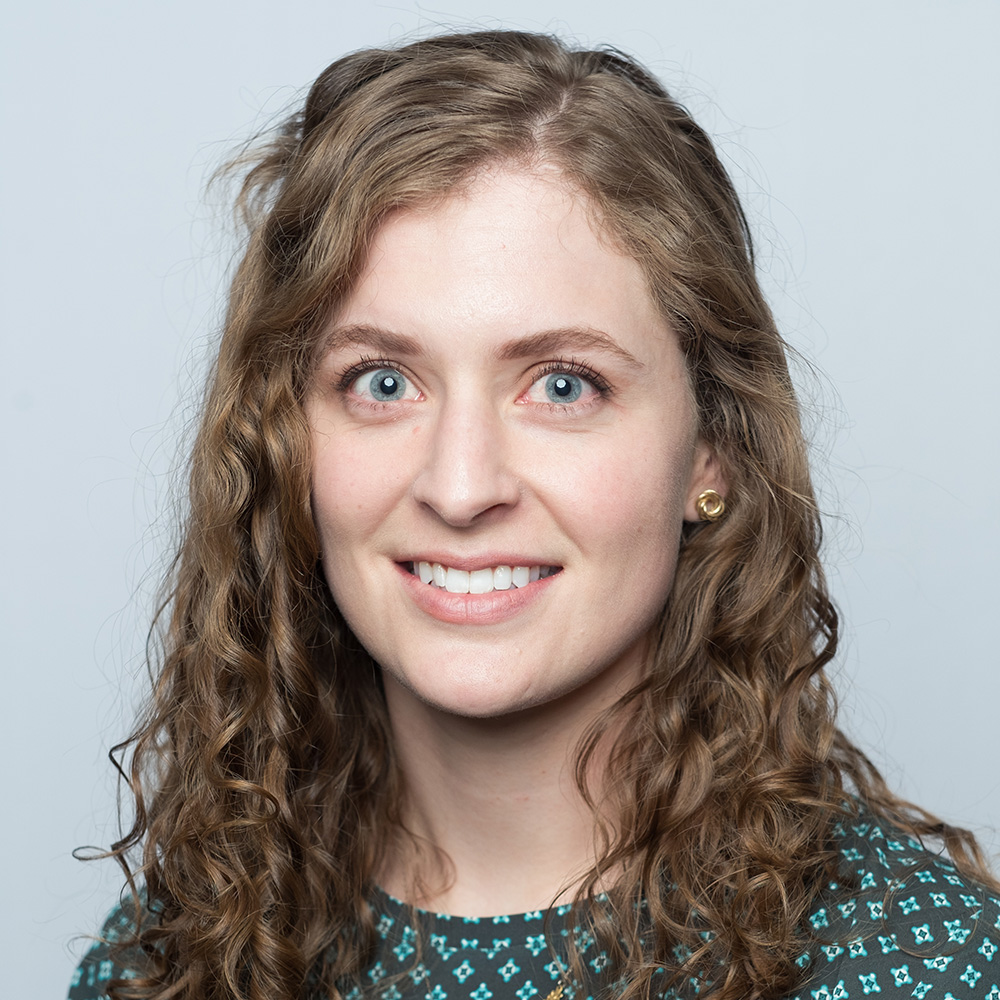
|
Griffith, April, MD, University of Utah "Towards the development of CT thermometry to assess thermal ablations: evaluation of model reproducibility and temperature predictions in water baths" |
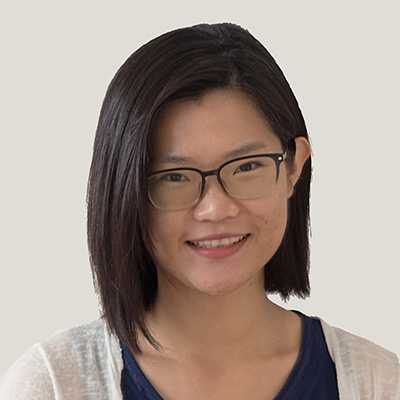
|
Guo, Zijia, University of Utah "Theoretically-exact filtered-backprojection reconstruction from real data on the line-ellipse-line trajectory" |
|
Hinckley, Peter, MD, University of Utah "CTP improves accuracy, interrater reliability and detection speed over CTA alone in detection of large vessel occlusions" |
|
Sara Johnson, University of Utah "Longitudinal Registration for Voxel-wise Correlation of MRgFUS Treatment Assessment Metrics" |
|
Ong, Frank, PhD, Stanford "Extreme MRI: Reconstructing Hundred-Gigabyte Volumetric Dynamic MRI from Non-Gated Acquisitions" |
|
Prasad, Bibin, PhD, UT Southwestern "Harnessing the power of alternating magnetic fields for non-invasive treatment of metal implant infections" |
|
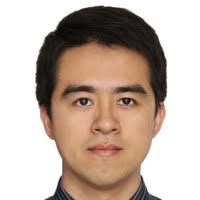
Shi, Luyao, Yale "Attenuation Map Synthesis for SPECT and PET Imaging Using Deep Learning" |
|
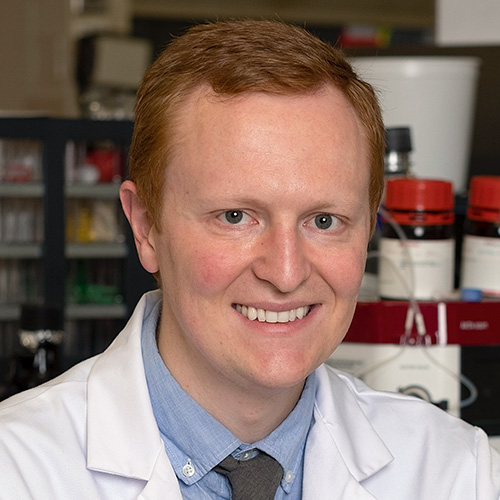
Smith, Tyler, MD, University of Utah "Retrospective Evaluation of Extracellular Matrix Enterocutaneous Fistula Plugs for Enteric Fistula Closure" |
|
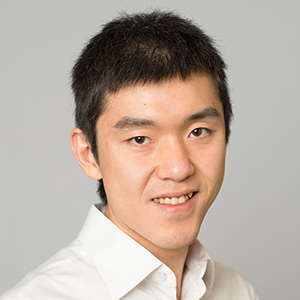
Tian, Ye, University of Utah "Whole heart ungated myocardial perfusion imaging with steady-state radial SMS readout and without magnetization preparation" |
|
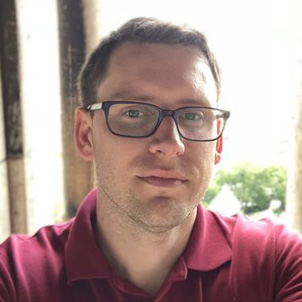
John Walsh, Yale "Longitudinal quantitative multimodal imaging of the acidic microenvironment during tumor progression in glioblastoma" |
|
Williams, Lauren, University of Utah "The invisible breast cancer: Paying attention to a specific task can blind radiologists to unexpected abnormalities" |