
Traditional Cardiothoracic Surgery Fellowship
Traditional Cardiothoracic Surgery Fellowship
The Division of Cardiothoracic Surgery offers a two-year training program following the successful completion of a general surgery residency program accredited by either the Accreditation Council for Graduate Medical Education (ACGME) or the Royal College of Physicians and Surgeons of Canada. There are two resident positions for each year.
Since its inception, the University of Utah Thoracic Surgery Residency program has emphasized balance in exposure to all aspects of the specialty – adult and pediatric cardiac surgery, and general thoracic surgery. During the two-year period, trainees receive an intensive exposure to all aspects of cardiothoracic surgery among the four cooperating hospitals of the University of Utah Training program. The four hospitals participating in the training program include the University of Utah Health, Salt Lake VA Health Care System (VAMC), the Intermountain Medical Center (IMC), and Primary Children’s Hospital (PCH). The Cardiothoracic Surgery Residency Program has been approved by the ACGME Thoracic Residency Review Committee since April 1971.
PROGRAM INFORMATION
To provide comprehensive individualized education to every trainee and shape the future of Cardiothoracic surgical education through leadership, innovation, and discovery.
YEAR 1
- Cardiac/Thoracic/Congenital
- Rotations are at University of Utah Health, IMC, PCMC, VAMC
YEAR 2
- Cardiac/Thoracic
- Rotations are at U of U Health, IMC, VAMC
EDUCATION CURRICULUM & DIDACTICS
MONDAYS
- Congenital case scenarios- First Monday 4:00 – 5:00 pm monthly
- Simulation Labs – Second Monday 4:00 – 6:00 pm
- CT Surgery M&M Conference – Third Monday 7:00 – 8:00 am
- Thoracic Journal Club – Quarterly Mondays 4-5 pm
- Wellness Hours – Quarterly – Off Site 5:00 – 6:30 pm
TUESDAYS
- Tuesday Study Hall -
- Second and Fourth Tuesdays of month 1:00-3:00 pm
- Thoracic Curriculum Review – 4:15 – 5:15 pm Weekly
- Cardiothoracic Surgery Education Conference – 5:15 – 6:15 pm Weekly
- Debates Twice yearly, Case Presentations, Guest Lectures, Mock Orals Twice yearly
- MCS Clinical Scenarios
WEDNESDAYS
- Chalk Talk/Coffee Chat – Third Wednesday each month – 4:00 – 5:30 pm
THURSDAYS
- CT Surgery Research Conference – 4th Thursdays 4:00 – 5:00 pm
- CVICU M&M – 3RD Thursdays 4:30 – 5:30 pm
MAXIMUM HOURS OF CLINICAL AND EDUCATIONAL WORK PER WEEK
- Clinical and educational work hours must be limited to no more than 80 hours per week, averaged over a four-week period, inclusive of all in-house clinical and educational activities, clinical work done from home, and all moonlighting.
- Clinical work done from home must be counted toward the 80-hour maximum weekly limit.
- Fellows should have eight hours off between scheduled clinical work and education periods.
- Fellows must have at least 14 hours free of clinical work and education after 24 hours of in-house call.
- Fellows must be scheduled for a minimum of one day in seven free of clinical work and required education (when averaged over four weeks). At-home call cannot be assigned on these free days.
- Reading done in preparation for the following day’s cases, studying, and research done from home do not count towards the 80 hours.
- Specific circumstances under which fellows may choose to stay at the hospital and/or return to the hospital to care for patients beyond their scheduled time include:
- A patient on whom a fellow operated/intervened that day who needs to return to the operating room (OR)
- A patient on whom a fellow operated/intervened that day who requires transfer to an intensive care unit from a lower level of care
- A patient on whom a fellow operated/intervened that day who is critically unstable
- A patient on whom a fellow operated/intervened during that hospital admission who needs to return to the OR related to an operation or procedure previously performed by that resident
- A patient or patient’s family needs to discuss treatment of a critically-ill patient on whom the residents has operated or is responsible for care
- Clinical and educational work periods for fellows must not exceed 24 hours of continuous scheduled clinical assignments.
- Up to four hours of additional time may be used for activities related to patient safety, such as providing effective transitions of care, and/or fellow education.
CLINICAL AND EDUCATIONAL WORK HOUR EXPECTATIONS
- In rare circumstances, after handling off all other responsibilities, a resident, on their own initiative, may elect to remain or return to the clinical site in the following circumstances:
- To continue to provide care to a single severely ill or unstable patient;
- Humanistic attention to the needs of a patient or family;
- To attend unique educational events.
WORK HOUR EXPECTATIONS FOR FELLOWS
- Each fellow is expected to keep track of his/her work hours every week. Please speak with Shawnda or Dr. Pereira if you are approaching work hour violations and/or believe that you are in non-compliance with work hours.
- Please use the RESQ APP to track your hours and review them each week. RESQ will automatically roll your hours into MedHub.
- If you are approaching a 24-hour shift, please text or call Dr. Pereira and she will coordinate coverage for your service and notify attendings.
- We want you to safely get home early morning. If you are feeling too fatigued or tired to drive, please let faculty know and we will coordinate a ride home for you. Do not drive home if you are too tired.
PGY-7: $89,857
PGY-8: $94,981
The University of Utah is committed to ensuring that residents and fellows remain physically, mentally, emotionally, and spiritually healthy while completing their training program. As a resident/fellow in the Cardiothoracic Surgery program, you have access to any and all resources available through the Office of Graduate Medical Education. Wellness is considered and infused into every part of the training environment.
Specific Resources
- University of Utah GME Wellness Website https://medicine.utah.edu/gme/wellness/
- Resident/Fellow Mental Health Resources, including access to Employee Assist Program: https://medicine.utah.edu/gme/wellness/resident-mental-health-resources.php
- Self-Assessment Surveys https://medicine.utah.edu/gme/wellness/how-are-you.php
- Resident/Fellow Physical Health Resources https://medicine.utah.edu/gme/wellness/resident-physical-health-resources.php
- Mindfulness Resources https://medicine.utah.edu/gme/wellness/mindfulness.php
- Sleep Wellness Resources https://medicine.utah.edu/gme/wellness/sleep-wellness-resources.php
- Childcare Options https://childcare.utah.edu/
ROTATION INFORMATION
WHAT TO EXPECT
- Progressive increase in responsibility
- Progressive increase in operative experience as primary surgeon
- Opportunities for time in cardiac cath lab
- All University of Utah thoracic surgery residents who have taken the American Board of Thoracic Surgery certifying examination have been certified. Their performance on this examination has been consistently excellent.
- Surgery for Connective Tissue Disorders including Marfan syndrome
- Coronary Artery Bypass Grafting
- TMR
- Valve repair/replacement
- Minimally invasive cardiac surgery
- Surgery for atrial fibrillation (MAZE)
- Surgery for heart failure
- Ventricular restoration procedures
- LVADs for permanent implantation
- ECMO
- Heart transplantation
- Heart & Lung transplantation
- Adult congenital procedures
- Valve-sparing aortic root procedures
- Transcatheter Aortic Valve Replacement (TAVR)
- Endovascular thoracic aortic repair (TEVAR)
- Outcomes research
Medical Knowledge:
- Benign and Malignant Disease of the Lungs, Esophagus, Chest Wall, Pleura and Mediastinum; Lung Transplantation
Technical Skills:
- Esophagus: Endoscopy, Open and Minimally Invasive Motility Operations, Esophageal Resections, Stenting and Repair of Esophageal Perforations
- Lung: Bronchoscopy, Mediastinoscopy, Open and Video-assisted Thoracoscopic Lung Resections
- Chest Wall/ Pleura/ Mediastinum: Common bedside procedures, Open and VATS procedures for pleural and mediastinal disorders, Chest Wall Resection, Chest Wall Reconstruction
- Lung Transplantation
Basics of Clinical Trial Participation
- Database
- NSQIP
- STS General Thoracic Database
- ASD/VSD repairs
- PDA
- Coarctation of the aorta repair
- Tetralogy of Fallot repair
- Transposition of the great vessels
- Tricuspid atresia
- Truncus arteriosus
- Tricuspid atresia
- Total anomalous pulmonary venous return (TAPVR) correction
- Hypoplastic left heart repair
- Heart Transplant
- LVAD
PROGRAM APPLICATION
- Documented completion of a general surgery residency program accredited by either the Accreditation Council for Graduate Medical Education (ACGME) or the Royal College of Physicians and Surgeons of Canada
- Successful completion of the USMLE Steps 1 - 3
- Board-eligible in general surgery
- Submit your application through the universal application form ERAS (Electronic Residency Application Service), hosted by the Association of American Medical Colleges.
- Submit the following documents to ERAS:
- Application form
- Medical transcripts
- Three letters of recommendation
- Wallet size photo (optional)
- ECFMG status report (for foreign medical graduate only)
- USMLE transcripts
- Dean's letter
- Curriculum vitae
- Personal statement
- Register with the National Residency Matching Program. The Universal Thoracic Application is available on the NRMP site.
The Cardiothoracic Surgery Fellowship program utilizes the AAMC Electronic Residency Application (ERAS) and the National Resident Matching Program (NRMP). The ERAS system will open for applications on November 13, 2024. Interviews are scheduled for February and March 2025.
The Integrated Surgery Residency program utilizes the AAMC Electronic Residency Application (ERAS) and the National Resident Matching Program (NRMP). The ERAS System will open for applications on September 4, 2024. Interviews are scheduled for January and February 2025.
CONNECT WITH US
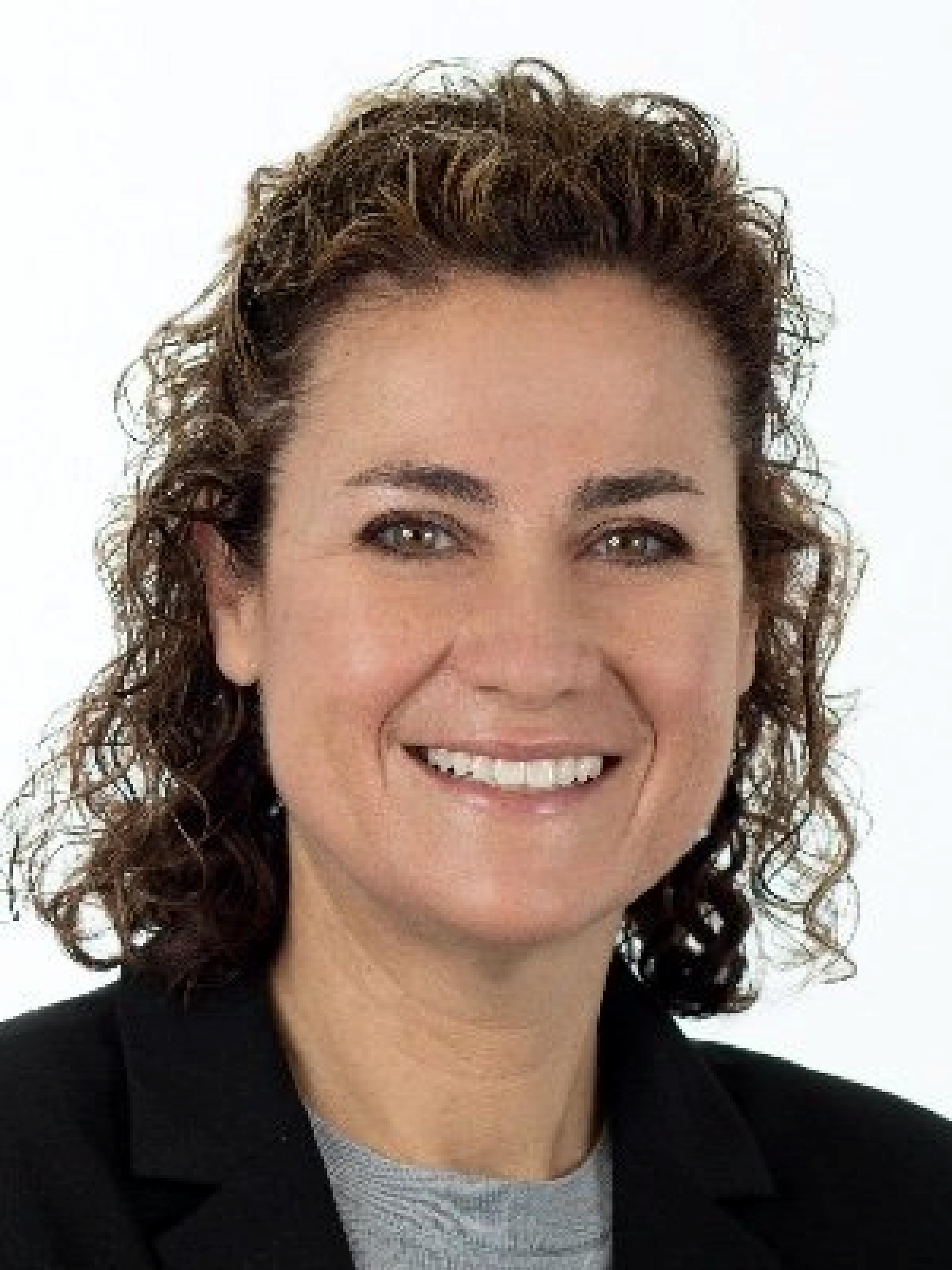
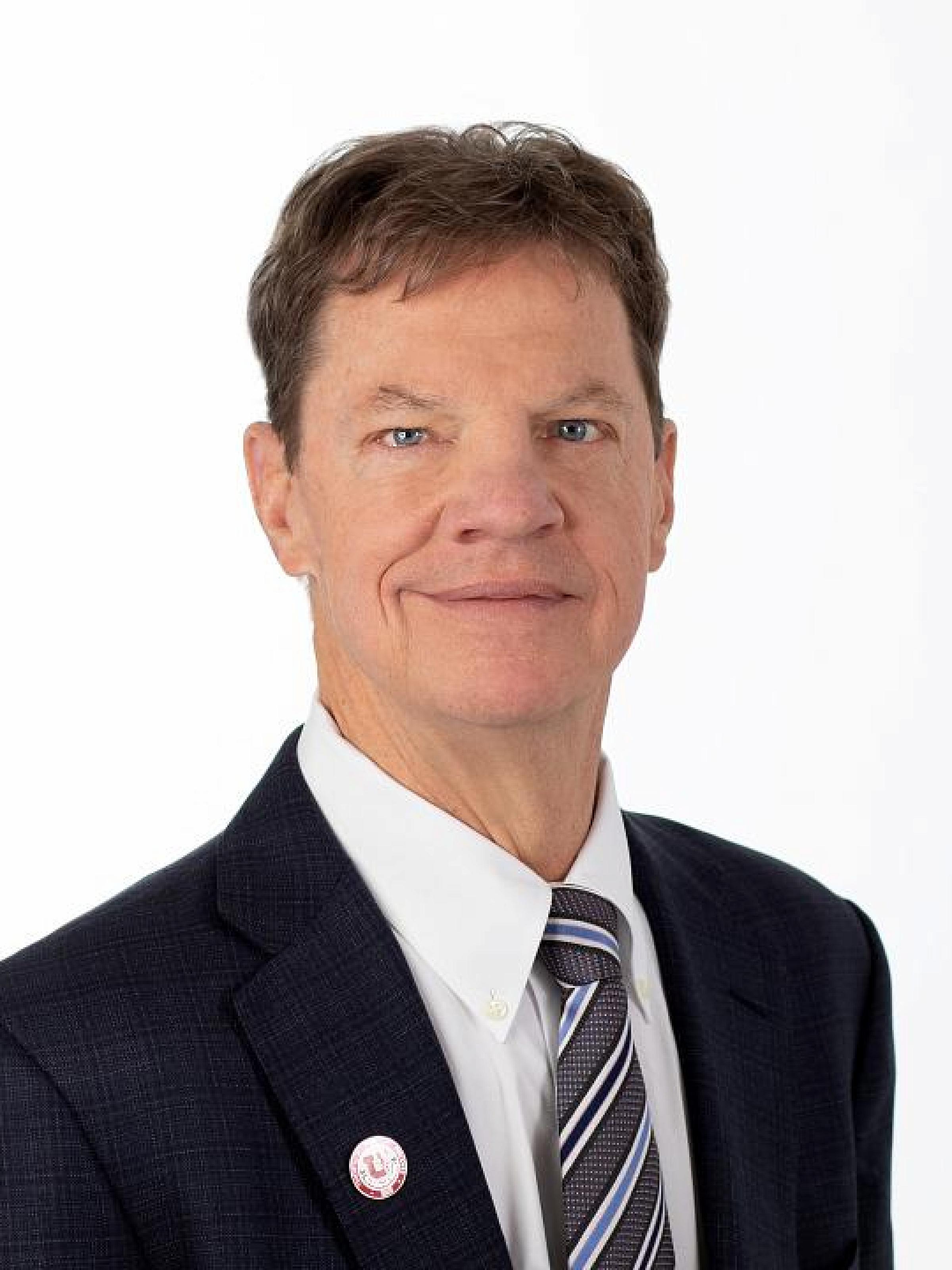
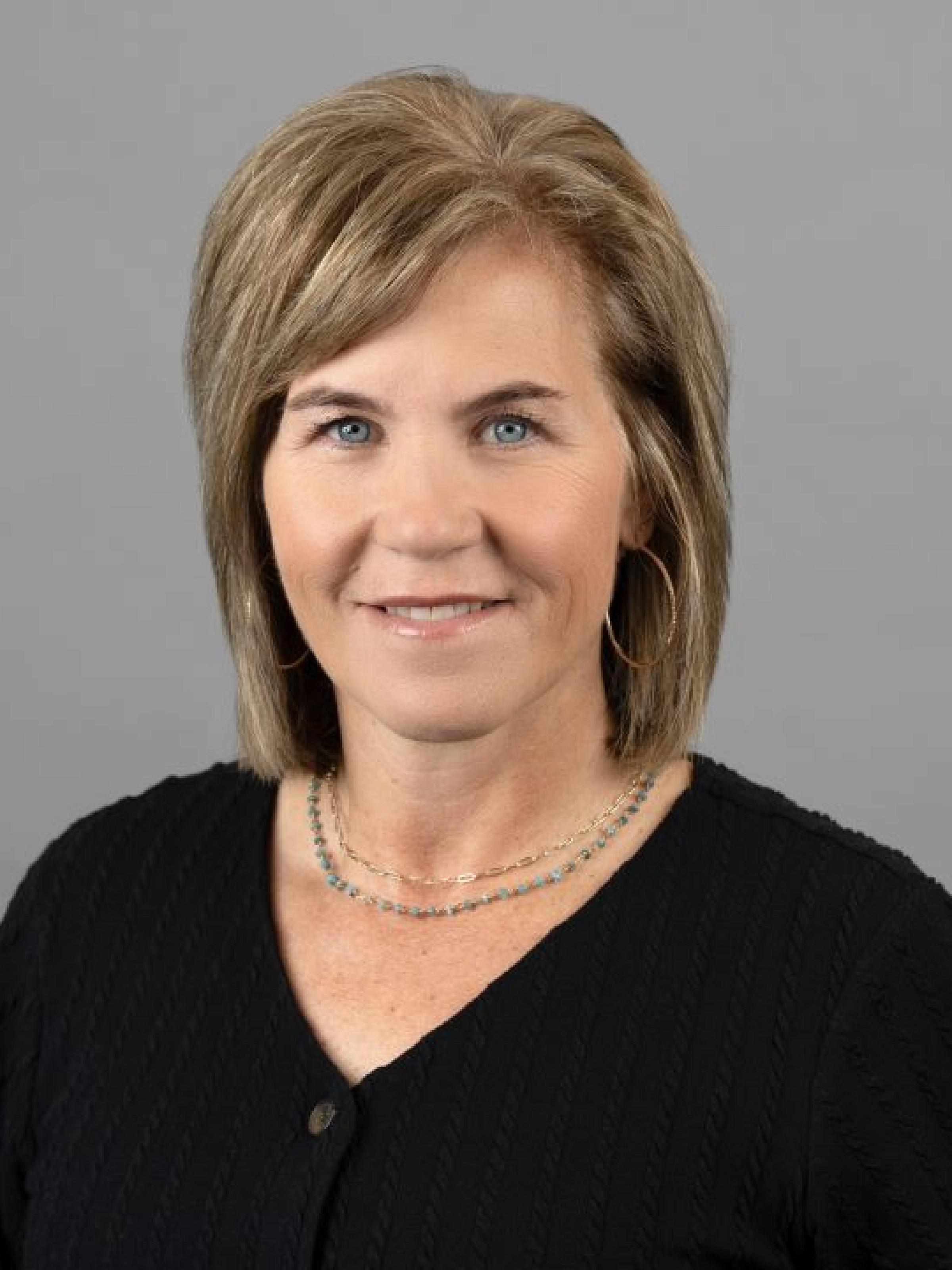
Administration Manager
Elise Collins
elise.collins@hsc.utah.edu
HELIX Tower
30 N Mario Capecchi Dr
4th Floor, 4N124
Salt Lake City, UT 84112
Phone: 801-581-4222
Fax: 801-585-3936