
Burn Section in General Surgery

Burn Section in General Surgery
Advancing Burn Care Through Clinical Excellence, Innovation, Education, and Research
The Burn Surgery Section within the Division of General Surgery at the University of Utah serves as the academic and clinical home of one of the leading burn programs in the United States. Through excellence in patient care, education, research, and innovation, the section advances the treatment of burn injury while training the next generation of burn surgeons, critical care specialists, and multidisciplinary burn professionals.
As the primary referral center for a large multi-state region, the Burn Center manages a broad spectrum of complex burn injuries and reconstructive challenges. The program is recognized nationally for its leadership in telehealth, burn systems development, outcomes research, burn education, and multidisciplinary care delivery.
The Burn Surgery Section's integrated mission combines high-acuity clinical care, robust educational opportunities, innovative research, and extensive community and professional outreach.
Program Impact
The Burn Surgery Section serves as a major regional referral center and provides one of the highest-volume burn care experiences in the Mountain West.
Annual program activity includes approxomately:
300+
BURN ADMISSIONS
~700
BURN SURGERIES
~4500
BURN OUTPATIENT VISITS
100+
HEALTHCARE PARTNERS & 40 CONTRACTED SITES
~1900
TELEBURN CONSULTS
In addition to direct patient care, the section contributes substantially to workforce development through professional education, outreach activities, and multidisciplinary training programs.
Comprehensive Burn Care

The Burn Surgery Section provides comprehensive burn care across the full continuum of treatment and recovery.
Faculty and multidisciplinary teams deliver:
- Acute burn resuscitation and critical care
- Operative burn management
- Burn reconstruction and scar revision
- Rehabilitation and recovery services
- Outpatient burn care and long-term burn survivorship
Care is delivered through a highly coordinated interdisciplinary model that includes surgeons, advanced practice clinicians, nurses, therapists, pharmacists, social workers, nutrition specialists, psychologists, and support staff.
The Burn Center includes:
- Dedicated 15-bed burn unit
- ICU-level care capabilities
- Dedicated operating room access and specialized surgical teams
- Integrated inpatient and outpatient services
The program cares for both adult and pediatric patients, with approximately one-third of admissions involving children.
Innovations in Telehealth
The Burn Surgery Section has played a significant role in the evolution of teleburn consultation and remote specialty care.
Beginning in the early 2000s, faculty helped establish consultation models that informed modern telehealth systems used throughout healthcare today. Through MedPIC and teleburn consultation services, the program provides real-time expertise to healthcare professionals throughout the region.
Faculty have also contributed to:
- Development of burn crisis standards of care
- Regional disaster preparedness initiatives
- Rural hospital support programs
- Multi-state referral networks
- Expansion of specialty burn care access across underserved communities
The section continues to advance innovation in burn care delivery, wound healing, regenerative medicine, and outcomes improvement.
Education & Training
Education is a central mission of the Burn Surgery Section.
The Burn Center provides a high-volume, multidisciplinary learning environment that exposes trainees to every phase of burn care, including operative management, critical care, rehabilitation, reconstruction, and outpatient treatment.
Burn Surgery Fellowship
The Burn Surgery Fellowship program provides surgeons with specialized training in the comprehensive care of burn patients. Fellows learn the principles of burn resuscitation, wound management, and critical care of burn-injured individuals. They gain expertise in managing complex burn injuries, including deep dermal and full-thickness burns, in both adult and pediatric patients, and acquire skills in burn reconstruction, including skin grafting, tissue expansion, and scar management.
Interdisciplinary collaboration with specialists in plastic surgery, rehabilitation, and psychology to address the long-term needs of burn survivors is also emphasized. The program equips fellows with the knowledge and skills to provide comprehensive, patient-centered burn care from the acute phase to long-term rehabilitation.
Supporting All Learners
Educational experiences are available for:
- General Surgery Residents
- Intermountain Health Residents
- Medical Students
- Burn Fellows
- Surgical Critical Care Fellows
- Anesthesia Critical Care Fellows
- Pediatric Surgery and PICU Trainees
- Physician Assistant Students
- Nurse Practitioner Students
- Visiting Residents
Trainees participate in daily multidisciplinary rounds, operative cases, outpatient clinics, and research activities.
Research in Burn Surgery

Research within the Burn Surgery Section focuses on advancing burn care through clinical investigation, translational science, quality improvement, and collaborative scholarship.
Areas of active investigation include:
- Burn outcomes research
- Clinical trials
- Multicenter collaborations
- Quality improvement and patient safety initiatives
- Regenerative medicine
- Burn reconstruction
- Critical care
- Burn survivorship
- Co-production with burn survivors
- Telehealth and healthcare delivery innovation
Faculty and trainees regularly contribute to peer-reviewed publications, national presentations, and collaborative research networks.
Notable areas of scholarship include:
- PCORI-funded burn research initiatives
- Regenerative medicine applications
- Novel biologic therapies
- Frostbite research
- Burn recovery and rehabilitation outcomes
Outreach & Community Engagement
The section extends its academic mission beyond the hospital through professional education, community engagement, and injury prevention initiatives.
Programs include:
Professional Education
Continuing Medical Education (CME)
Community Programs & Education
- School-based burn prevention education (PreK-6)
- Fire safety initiatives
- Burn fact sheets
- Burn prevention
- Degrees of burns
- How burns damage our skin
Burn Survivor Support Activities
Social Media
Global Health
In collaboration with Primary Children's Hospital and international partners, faculty support educational, clinical, and research initiatives in Tanzania and other resource-limited settings.
These programs provide opportunities for faculty, trainees, and interdisciplinary team members to engage in sustainable global surgery and burn care efforts.
Meet the Team
Faculty and staff actively contribute to national and international organizations that shape the future of burn care, surgery, trauma, and critical care. Team members regularly participate in research collaborations, educational programs, national presentations, and professional leadership activities.
The Burn Surgery Section is deeply committed to mentorship and professional development, fostering an environment where medical students, residents, fellows, advanced practice providers, therapists, nurses, and visiting learners can thrive.
Surgical Team
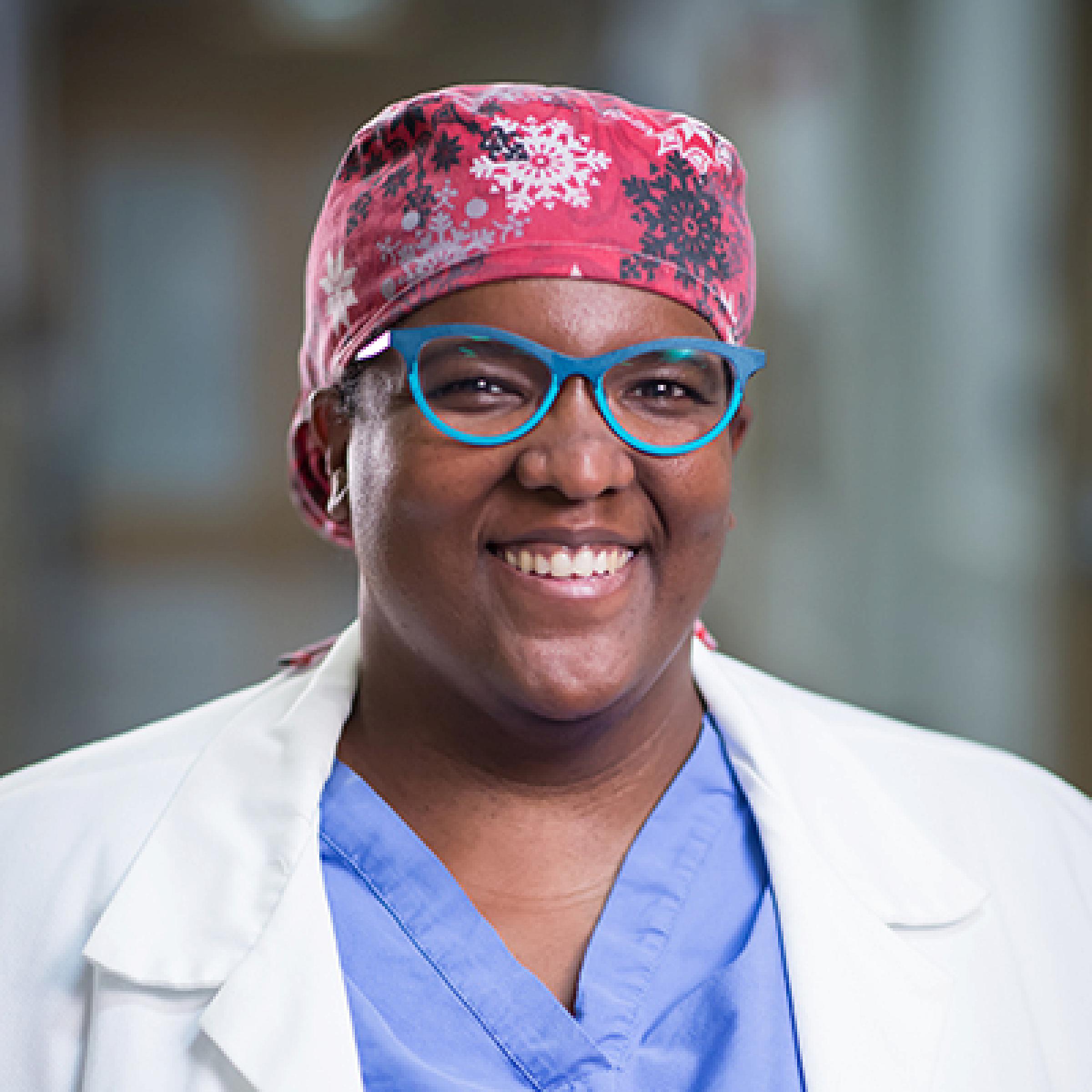
Giavonni M. Lewis, MD, MSCI, FACS, FABA
Professor of Surgery
Medical Director, University of Utah Health Burn Center
Program Director, Burn Surgery Fellowship
Dr. Lewis serves as Medical Director of the University of Utah Health Burn Center and Program Director of the Burn Surgery Fellowship. She leads the Burn Center's clinical, educational, and research missions and is recognized nationally for her work in burn care innovation, multicenter clinical trials, regenerative medicine, and outcomes research. Her leadership has helped establish the Burn Center as a regional and national leader in burn surgery, telehealth, and multidisciplinary burn care.

Callie M. Thompson, MD, FACS, FABA
Associate Professor of Surgery
Dr. Thompson is a leader in burn education and Advanced Burn Life Support (ABLS). Her research interest is in long-term burn survivorship and co-production. She is nationally known for her collaboration with burn survivors as research partners and works to center the survivor voice in all burn care conversations. Through these efforts, she is helping to advance burn education and best practices nationally. Her clinical interests include acute burn care, burn reconstruction, and palliative care. She is passionate about supporting burn survivors of all ages but Burn Camp is her favorite form of burn aftercare, you will find her there as a counselor every summer.

Irma D. Fleming, MD, FACS
Assistant Professor of Surgery
Dr. Fleming's clinical and research interests include frostbite, burn outcomes, multicenter clinical trials, and global health initiatives. She leads collaborative burn care and education efforts in Tanzania and other international settings.

Christopher R. LaChapelle, MD, DPT, FACS
Assistant Professor of Surgery
Dr. LaChapelle brings a unique perspective to burn care through his background as both a physical therapist and surgeon. His work bridges rehabilitation, recovery, and operative burn management.
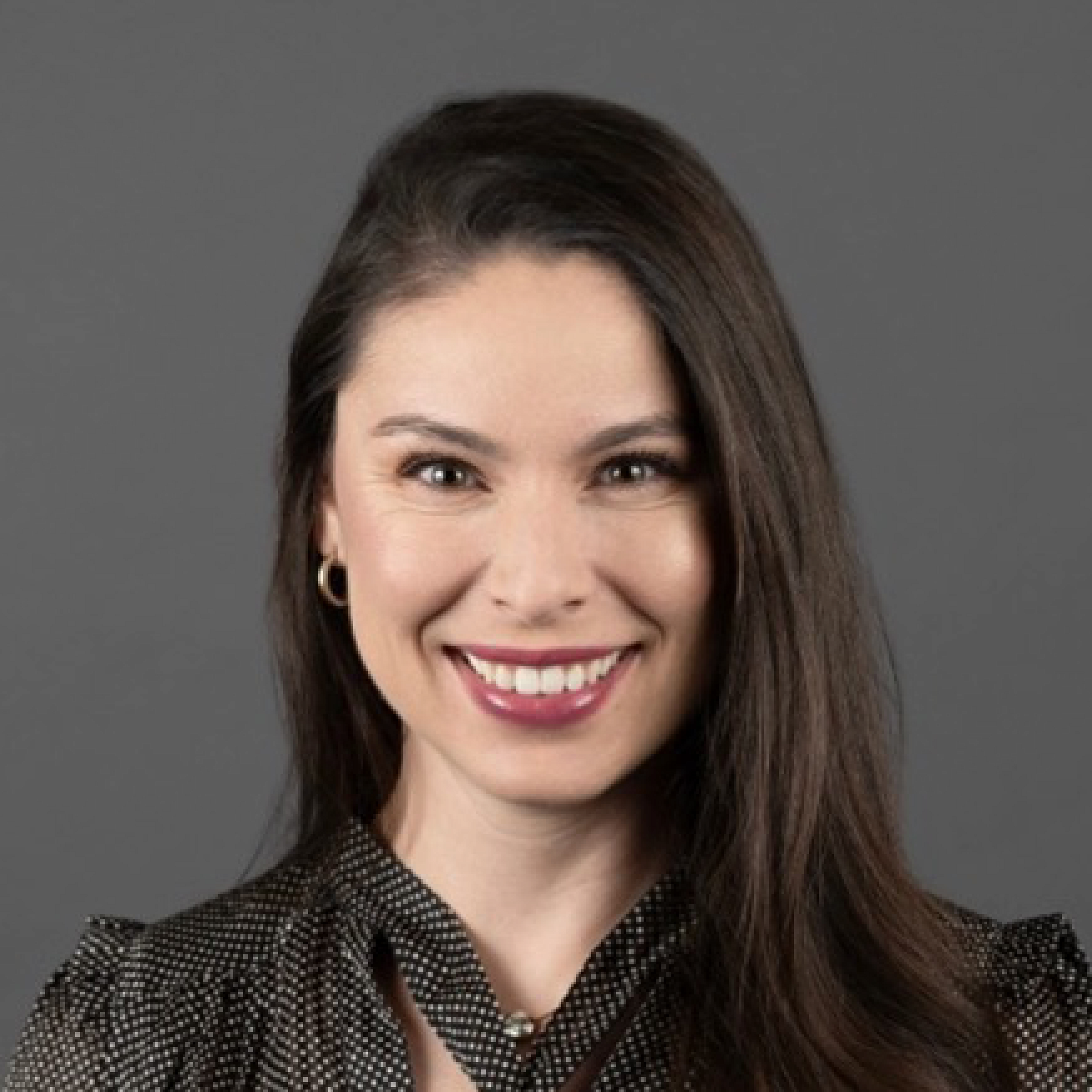
Larissa A. Epstein, MD, MBA
Assistant Professor of Surgery
Dr. Epstein brings a unique combination of surgical, critical care, and health systems expertise to the Burn Surgery Section. In addition to her surgical training, she earned an MBA from the Swiss School of Management, where her work focused on healthcare economics and systems-level challenges affecting patient care delivery. Her background in leadership, education, and quality improvement complements the Burn Center's missions in clinical excellence, innovation, and workforce development. She is particularly interested in advancing multidisciplinary approaches that improve outcomes across the continuum of burn care.
Advanced Practice Clinicians
The Burn Center is supported by a team of 12 advanced practice clinicians who provide care across inpatient, critical care, operative, and outpatient settings. Members of the APC team maintain active involvement in national organizations, including leadership within the American Burn Association Advanced Practice Clinician Special Interest Group.
Interdisciplinary Collaborative Team
Exceptional burn care requires collaboration across multiple specialties and disciplines. Our team includes:
- Burn surgeons
- Advanced practice clinicians
- Critical care nurses
- Physical therapists
- Occupational therapists
- Pharmacists
- Social workers
- Mental health professionals
- Nutrition specialists
- Administrative professionals
- EMS and community partners
Together, these professionals deliver coordinated, patient-centered care designed to support healing, recovery, and long-term quality of life.
Professional Leadership in Burn Surgery
Faculty within the Burn Surgery Section maintain leadership roles in organizations that shape the future of burn care and surgery, including:
- American Burn Association (ABA)
- American College of Surgeons (ACS)
- Eastern Association for the Surgery of Trauma (EAST)
- American Association for the Surgery of Trauma (AAST)
- Society of Critical Care Medicine (SCCM)
- Western Region Burn Disaster Consortium
- Phoenix Society for Burn Survivors
- World Burn Congress
Through these activities, faculty contribute to national guidelines, educational programs, research collaborations, advocacy efforts, and quality improvement initiatives that advance burn care locally, nationally, and internationally.